Your Go-To Guide for Heating and Cooling Solutions in TX


Understanding Heating and Cooling Systems
When it comes to maintaining a comfortable home environment in Texas, understanding your heating and cooling options is crucial. With the state's diverse climate, having a reliable HVAC system is essential. Whether you're dealing with the sweltering summer heat or the occasional winter chill, the right system can make all the difference.

Heating and cooling systems are designed to regulate indoor temperatures and maintain air quality. These systems can range from traditional air conditioners and furnaces to more advanced heat pumps and ductless mini-splits. Choosing the right system depends on various factors, including your home's size, insulation, and energy efficiency goals.
Types of Heating Solutions
Furnaces
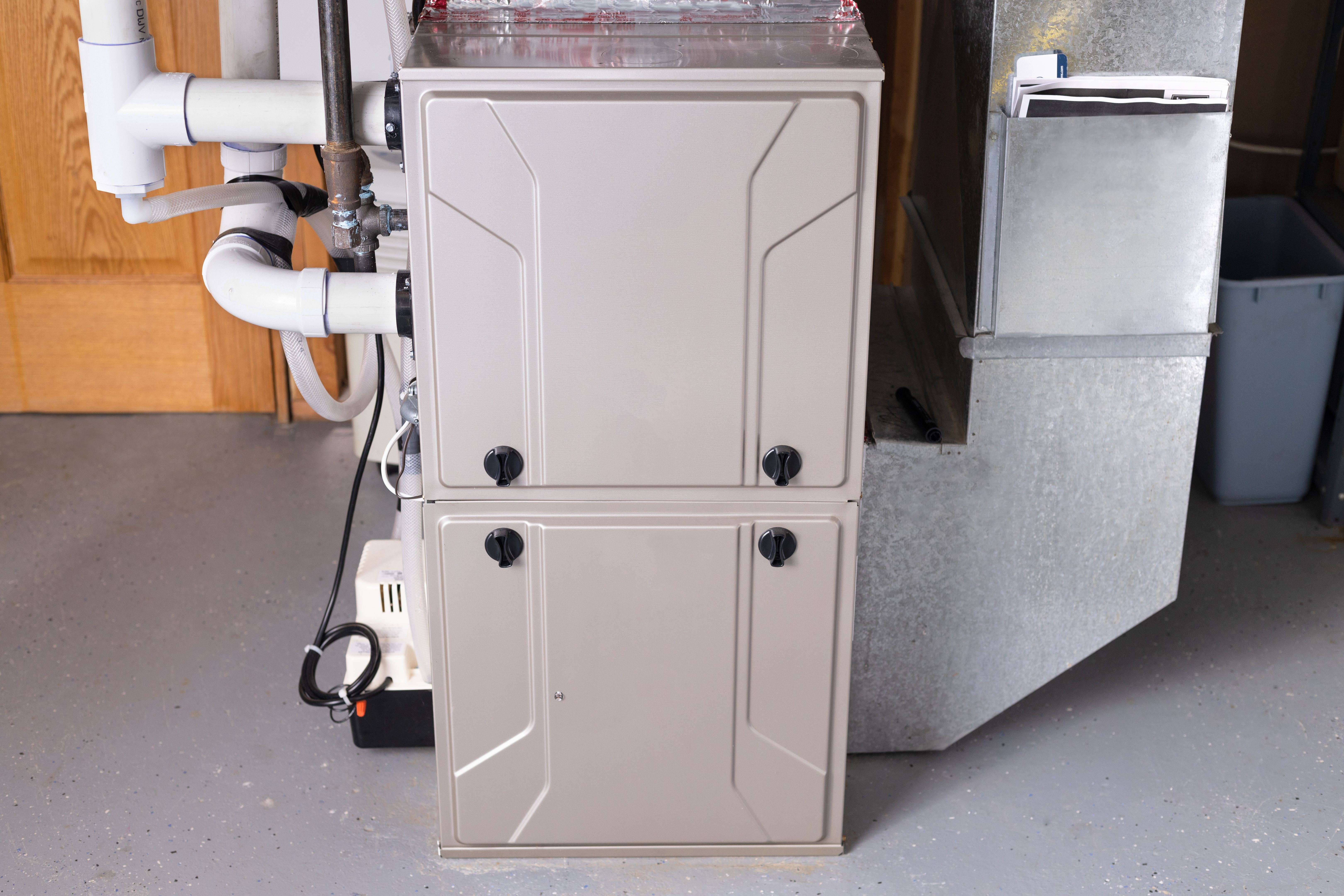
Furnaces are a popular choice for heating, especially in areas with colder winters. They work by blowing heated air through ducts, delivering warmth throughout your home. Furnaces can run on gas, electricity, or oil, with gas furnaces being the most common due to their efficiency and cost-effectiveness.
Heat Pumps
Heat pumps are versatile systems that can both heat and cool your home. They work by transferring heat from one place to another. In the winter, they draw heat from the outdoor air and bring it inside, while in the summer, they reverse the process. This makes them an energy-efficient option for Texas homes.
Cooling Solutions for Texas Homes
Central Air Conditioning
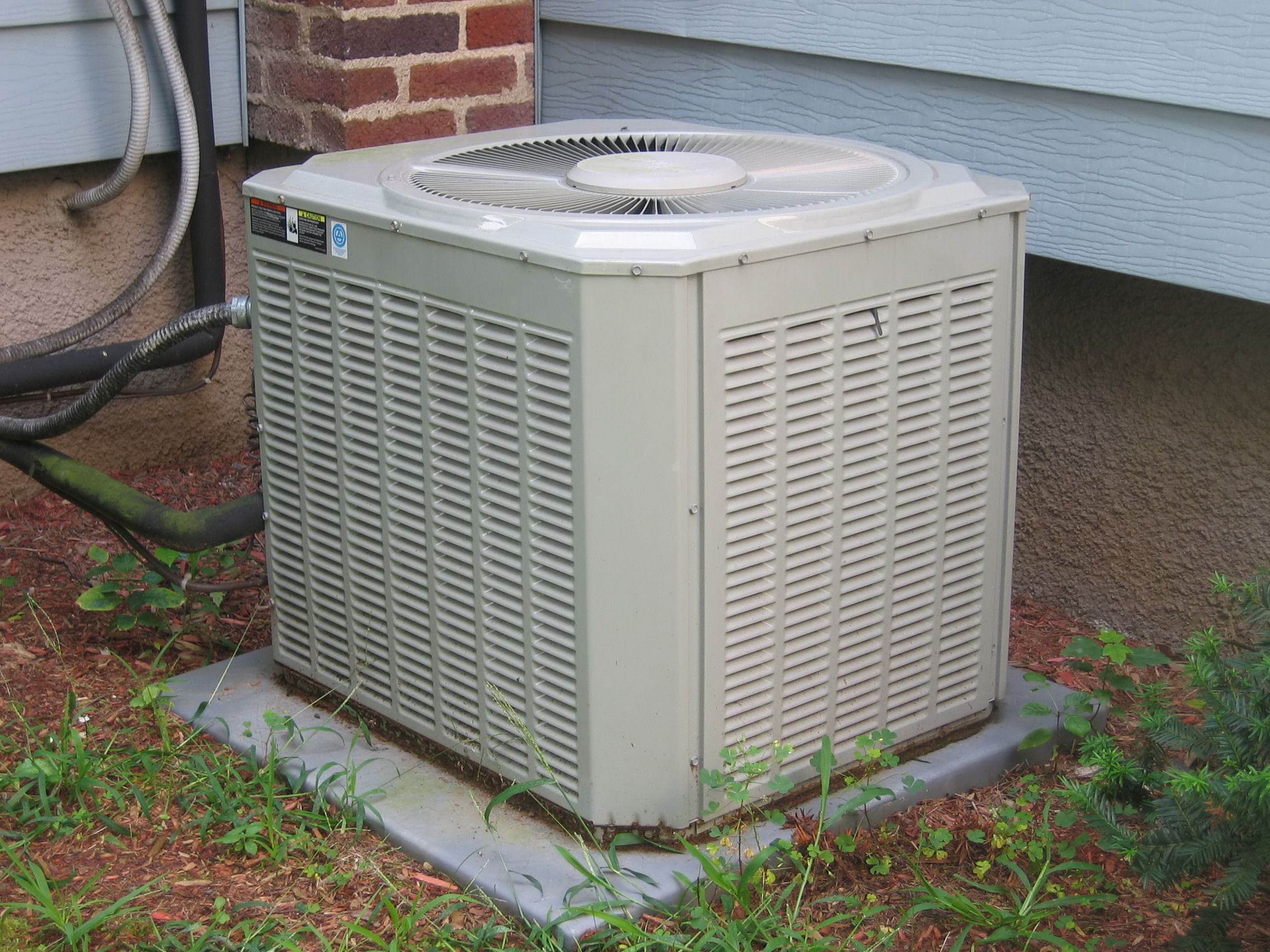
Central air conditioning is a standard choice for cooling in Texas. These systems use a network of ducts to distribute cool air throughout your home. They're known for their ability to quickly and efficiently cool large spaces, making them ideal for the hot Texan summers.
Ductless Mini-Splits
Ductless mini-splits are an excellent option for homes without pre-existing ductwork. These systems consist of an outdoor compressor and one or more indoor air-handling units, providing zoned cooling. They're highly efficient and offer the flexibility to cool specific areas of your home as needed.
Energy Efficiency and Sustainability
With growing concerns about energy consumption and environmental impact, many homeowners are considering energy-efficient and sustainable heating and cooling solutions. Look for systems with high Seasonal Energy Efficiency Ratio (SEER) ratings or Energy Star certifications to ensure optimal performance and savings.

Incorporating smart thermostats can further enhance your system's efficiency. These devices allow you to control your home's temperature remotely and can learn your schedule to optimize heating and cooling cycles, reducing energy waste and lowering utility bills.
Choosing the Right Provider
Selecting a reliable heating and cooling service provider is crucial. Look for companies with positive reviews, certifications, and a proven track record of customer satisfaction. A professional provider will not only help you choose the right system but also ensure proper installation and maintenance.
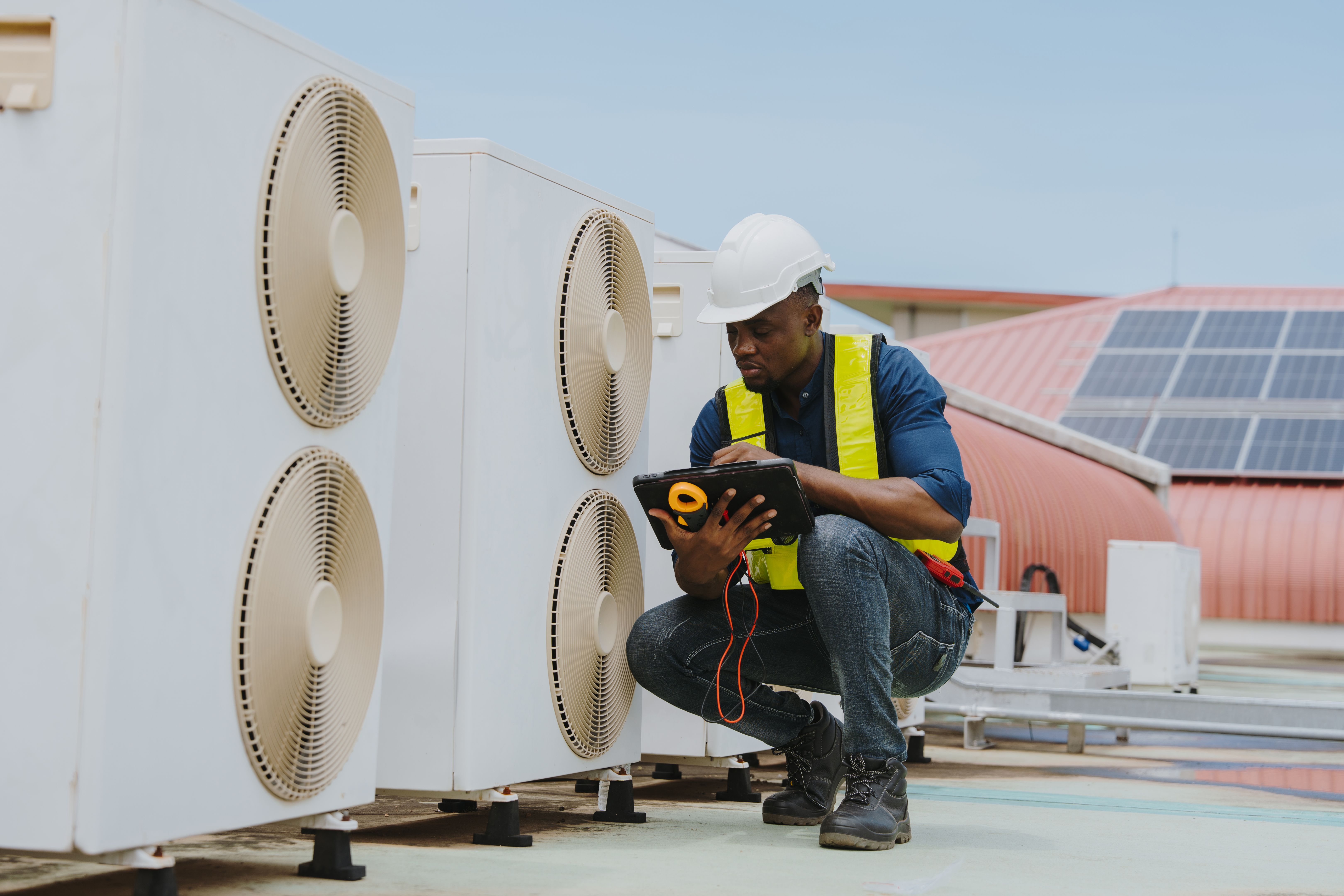
Regular maintenance, including filter changes and system check-ups, can extend the life of your HVAC system and improve its efficiency. Don't hesitate to ask your provider about maintenance plans and warranties to keep your system running smoothly year-round.