Understanding Indoor Air Quality Solutions: A Comprehensive Guide


Introduction to Indoor Air Quality
Indoor air quality (IAQ) is a crucial aspect of maintaining a healthy and comfortable living environment. With most people spending a significant amount of time indoors, understanding and improving IAQ can have a profound impact on overall well-being. This guide explores various solutions to enhance indoor air quality.

Common Indoor Air Pollutants
Indoor air can be polluted by a variety of sources. Common pollutants include dust, mold, pet dander, and volatile organic compounds (VOCs) emitted from household products. These pollutants can lead to respiratory issues and other health problems.
Identifying these pollutants is the first step in improving IAQ. Regular cleaning and maintenance can reduce dust and pet dander, while being mindful of the products used can help minimize VOCs.
Ventilation and Air Exchange
Proper ventilation is essential for maintaining good indoor air quality. It involves bringing fresh air into the home and expelling stale air. This process helps dilute indoor pollutants and control humidity levels.
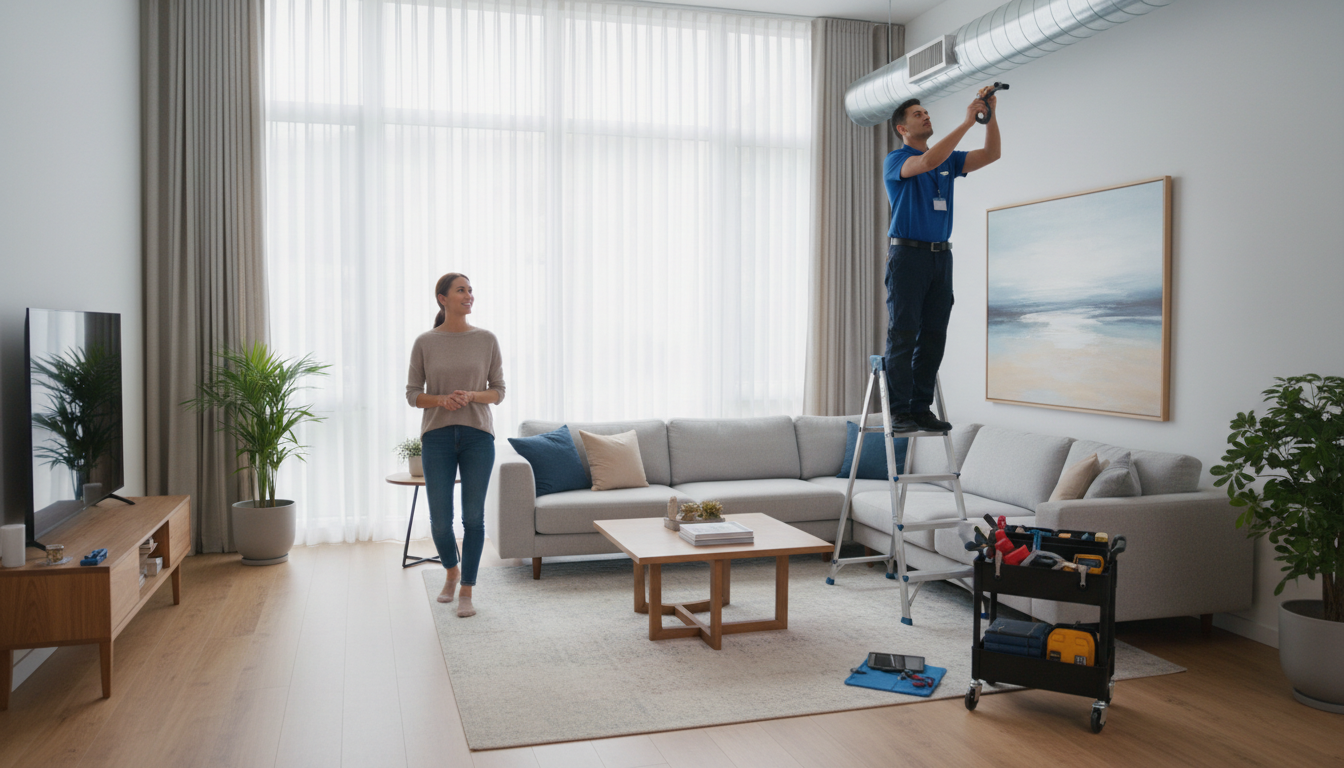
There are several ways to improve ventilation, such as opening windows and using exhaust fans. Mechanical ventilation systems, like heat recovery ventilators (HRVs), can also be installed to enhance air exchange without losing energy efficiency.
Air Purification Technologies
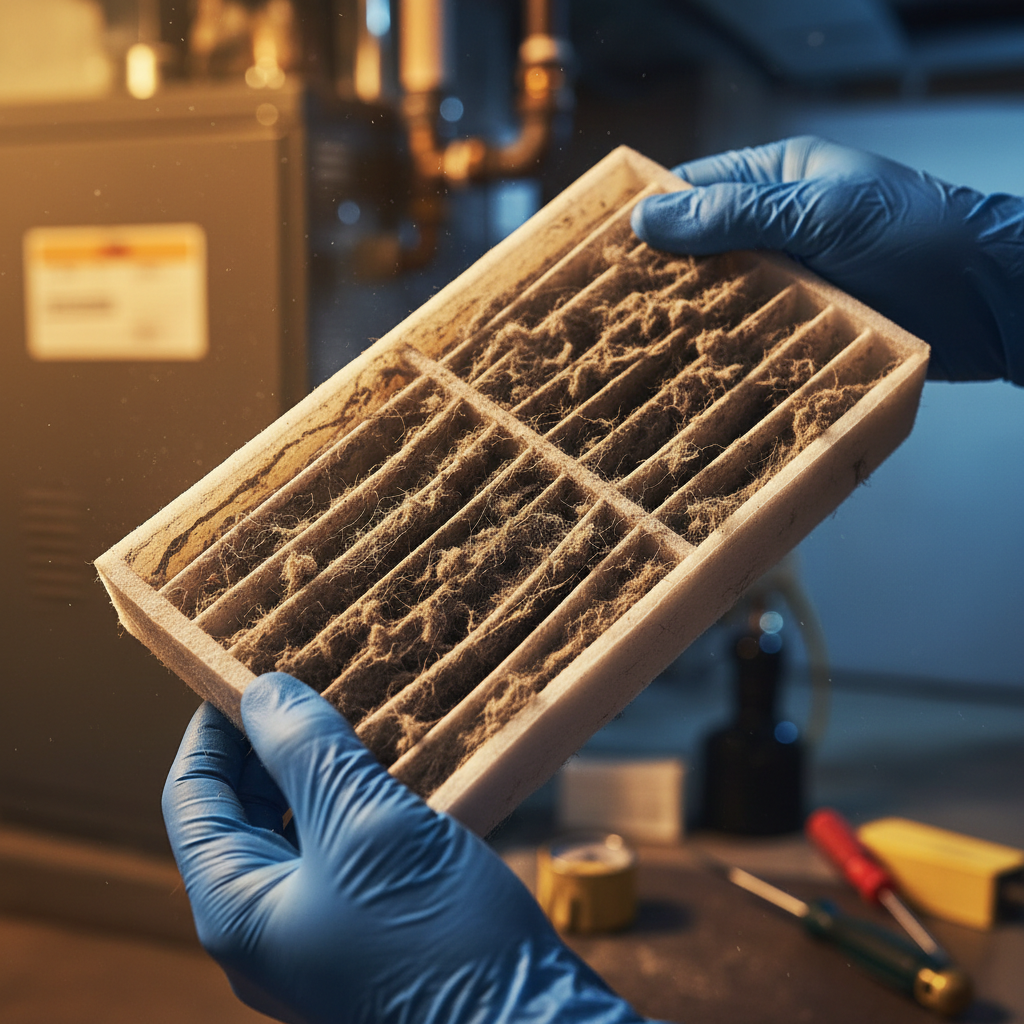
Air purifiers are effective tools for removing contaminants from the air. They use filters, such as HEPA filters, to capture particles and pollutants. Some models also incorporate activated carbon to eliminate odors and VOCs.
When choosing an air purifier, consider the size of the area it needs to cover and the specific pollutants you want to target. Regular maintenance, like changing filters, is essential to ensure optimal performance.
Humidifiers and Dehumidifiers
Maintaining the right humidity level is crucial for IAQ. High humidity can promote mold growth, while low humidity can cause dry skin and respiratory discomfort. Humidifiers add moisture to the air, while dehumidifiers remove excess moisture.
Using these devices can help achieve a balanced indoor environment. It's important to monitor humidity levels and adjust the use of these devices accordingly.
Regular Maintenance and Cleaning
Routine cleaning and maintenance are fundamental to sustaining good IAQ. Regularly vacuuming with a HEPA filter vacuum, dusting surfaces, and cleaning HVAC systems can significantly reduce indoor pollutants.
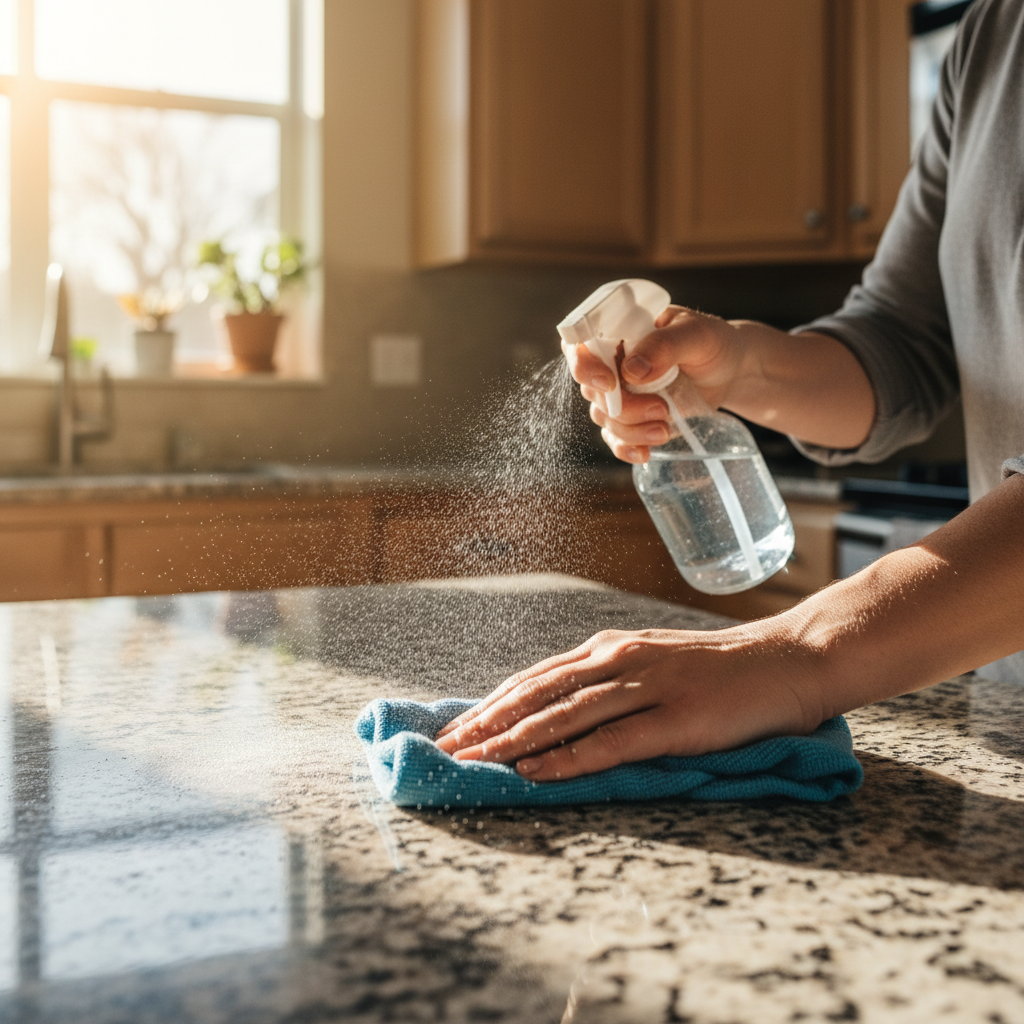
Additionally, servicing heating and cooling systems ensures they operate efficiently and do not circulate dust and allergens throughout the home.
Conclusion
Improving indoor air quality requires a combination of strategies tailored to your specific environment. By understanding the sources of indoor pollutants and implementing solutions like proper ventilation, air purification, and humidity control, you can create a healthier living space.
For those looking to make informed decisions about their indoor environment, consulting with IAQ professionals can provide personalized recommendations and solutions.