The Future of HVAC: Integrating Smart Home Technology


Revolutionizing Home Comfort with Smart HVAC
The integration of smart home technology into HVAC systems is transforming how we think about home comfort. As technology advances, homeowners are gaining more control over their environments, optimizing energy use, and enhancing comfort levels.
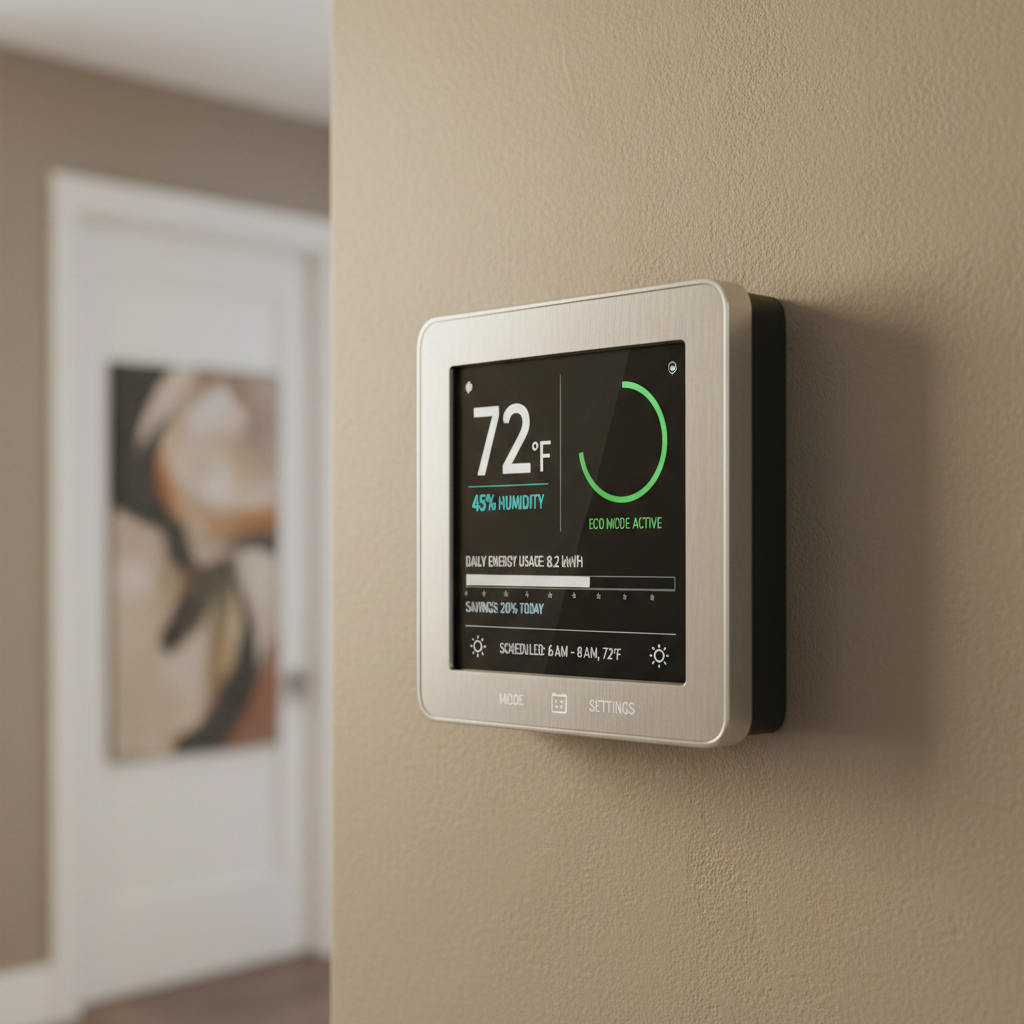
At the heart of this revolution is the ability to automate and remotely control heating and cooling systems. With the touch of a button on a smartphone or through voice commands, users can adjust temperatures, set schedules, and monitor energy consumption.

Benefits of Smart HVAC Systems
One of the most significant advantages of smart HVAC systems is their energy efficiency. By using intelligent sensors and programmable thermostats, these systems can learn a homeowner's schedule and adjust settings to save energy when no one is home.
Moreover, smart HVAC systems can provide insights into energy usage patterns. This data empowers homeowners to make informed decisions, ultimately reducing utility bills and environmental impact.
Key Features of Modern Systems
Today's smart HVAC systems come equipped with several innovative features:
- Remote Access: Control your system from anywhere using a smartphone app.
- Voice Control: Integrate with smart assistants like Alexa or Google Assistant for hands-free operation.
- Self-Diagnosis: Receive alerts for maintenance needs or system errors.
Connectivity and Integration
Integration with other smart home devices is another cornerstone of modern HVAC systems. By connecting to smart lighting, security, and entertainment systems, HVAC solutions can create a fully immersive smart home experience.
For example, when a smart thermostat detects that a room is empty, it can communicate with smart lighting to turn off the lights, conserving energy throughout the house.
Security and Privacy Considerations
As with any connected technology, security and privacy are crucial. Homeowners should ensure that their smart HVAC systems are protected with strong passwords and regularly updated software to safeguard against potential vulnerabilities.
Manufacturers are increasingly prioritizing security features, offering encrypted communications and robust authentication methods to keep user data safe.

The Future of HVAC Technology
Looking ahead, the future of HVAC technology is promising. Innovations such as AI-driven climate control and advanced air purification systems are on the horizon, aiming to further enhance indoor air quality and energy efficiency.
Additionally, as renewable energy sources become more prevalent, HVAC systems will increasingly integrate with solar panels and other green technologies, supporting a sustainable future.
Conclusion
The integration of smart home technology with HVAC systems is reshaping the landscape of home comfort. By offering enhanced control, efficiency, and connectivity, these systems not only improve living conditions but also contribute to a more sustainable planet.
As technology continues to evolve, homeowners can look forward to even more sophisticated solutions that will redefine the concept of comfort in our homes.