Myths About Heating and Cooling: What Texans Need to Know


Understanding Heating and Cooling Myths
When it comes to heating and cooling, especially in Texas, there's no shortage of myths that can lead to costly mistakes. Understanding what's true and what isn't can help you make informed decisions about your HVAC system, ensuring comfort and efficiency.
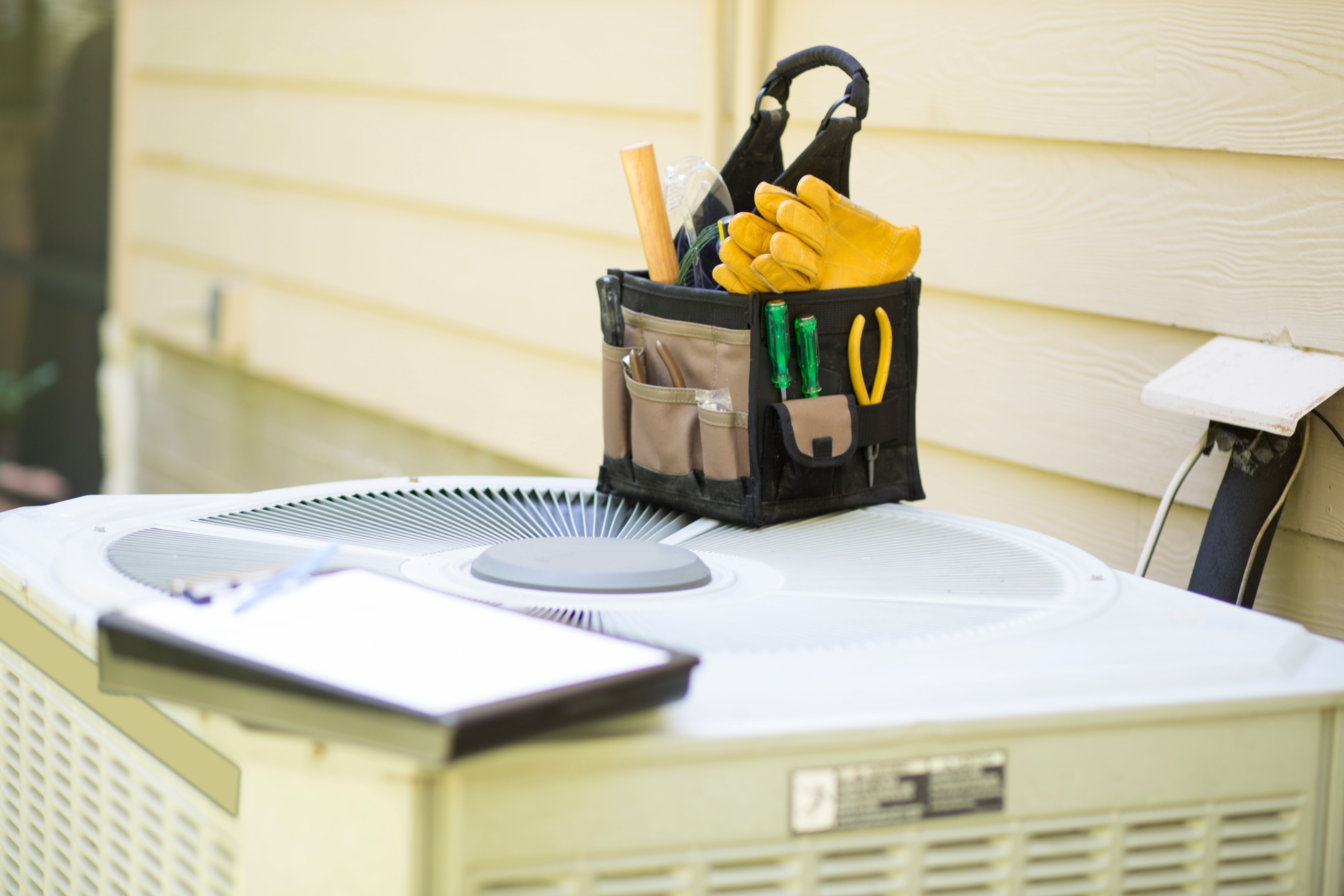
Myth 1: Bigger Units Are Better
One common misconception is that a bigger HVAC unit will provide better cooling and heating. In reality, size matters, but not in the way you might think. An oversized unit can lead to inefficiency, increased costs, and frequent cycling, which can wear out the system faster. It's important to have a system that's just the right size for your space.
Consulting with a professional can help determine the appropriate size and capacity for your home. An HVAC expert can conduct a load calculation to ensure your unit matches your specific needs.
Myth 2: Closing Vents Saves Energy
Many people believe that closing vents in unused rooms will save energy and money. However, closing vents can actually harm your system. It creates an imbalance in air pressure, forcing your HVAC system to work harder and potentially leading to increased wear and tear.
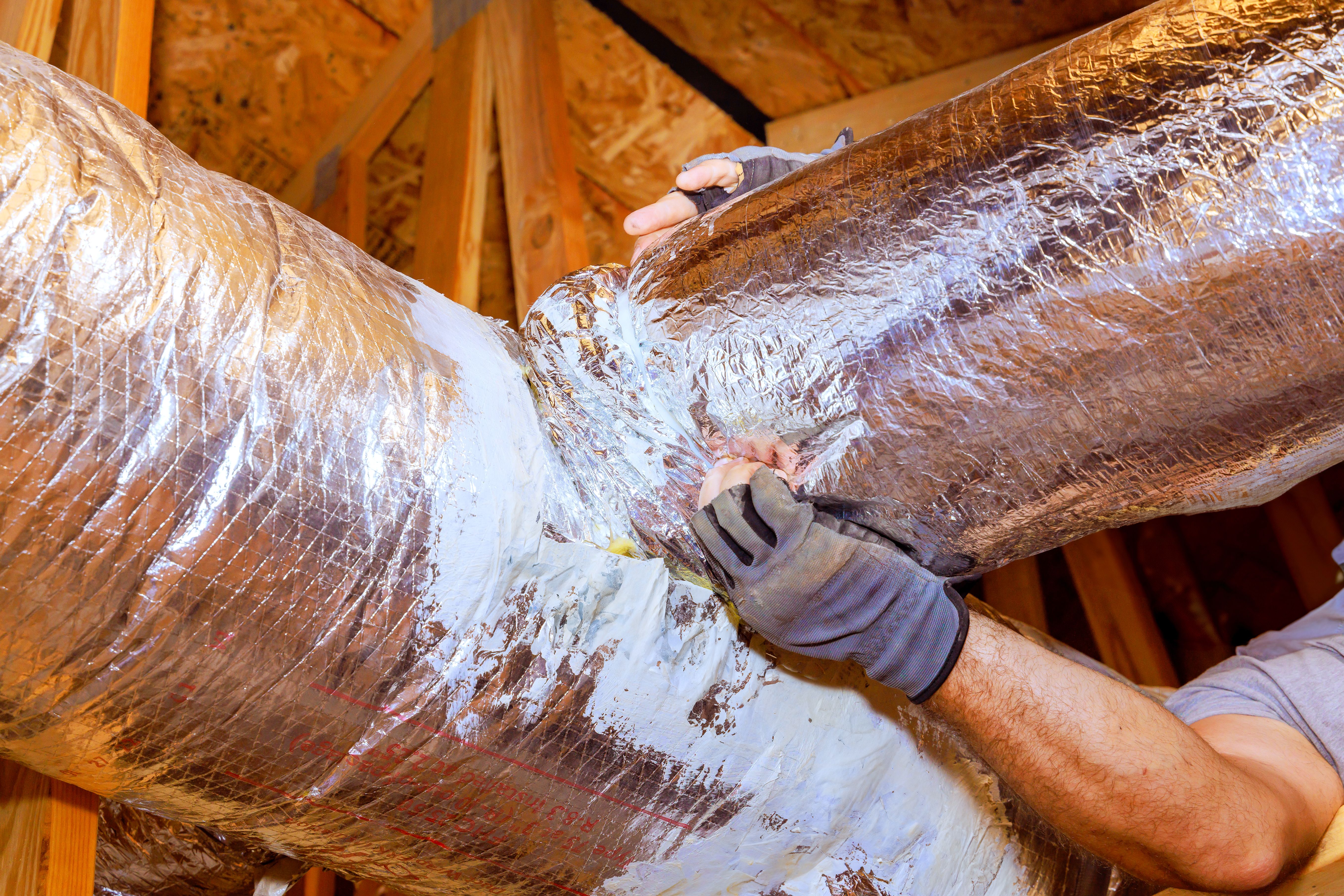
Instead, consider using a programmable thermostat to manage temperatures effectively when rooms are not in use. This approach maintains balance and efficiency without putting unnecessary strain on your system.
Myth 3: Maintenance Isn't Necessary
Some homeowners think that if their system is working fine, there's no need for regular maintenance. This couldn't be further from the truth. Routine maintenance is crucial for catching minor issues before they become major problems, ensuring efficiency, and extending the life of your HVAC system.
Regularly scheduled check-ups include cleaning filters, checking refrigerant levels, and inspecting components. These small steps can make a big difference in performance and cost savings over time.

Myth 4: Thermostat Placement Doesn't Matter
Another myth is that the location of your thermostat doesn't impact your HVAC system's performance. However, placing a thermostat near heat sources or in direct sunlight can lead to inaccurate readings, causing your system to work harder than necessary.
For optimal performance, install your thermostat on an interior wall away from direct sunlight, drafts, doorways, and windows. This placement helps ensure accurate temperature readings and efficient operation.
Myth 5: Leaving the System On Saves Money
Some believe that leaving the HVAC system on all day, even when no one is home, saves more energy than turning it off. In reality, you can save energy by using a programmable thermostat to set the temperature according to your schedule. This allows you to reduce energy consumption without sacrificing comfort.
By understanding these myths and the truths behind them, Texans can enjoy efficient and reliable heating and cooling, keeping their homes comfortable year-round while also saving on energy costs.