Myth-Busting: Common Misconceptions About HVAC Systems


Understanding HVAC Efficiency
One common misconception about HVAC systems is that bigger is always better. Many homeowners believe that a larger system will provide better heating and cooling, but this isn't always true. In fact, an oversized HVAC system can lead to issues such as short cycling, which reduces efficiency and increases wear and tear.
It's crucial to select a system that is appropriately sized for your home. This ensures optimal performance and energy efficiency, leading to lower utility bills and a more comfortable living environment.
Myth: Closing Vents Saves Energy
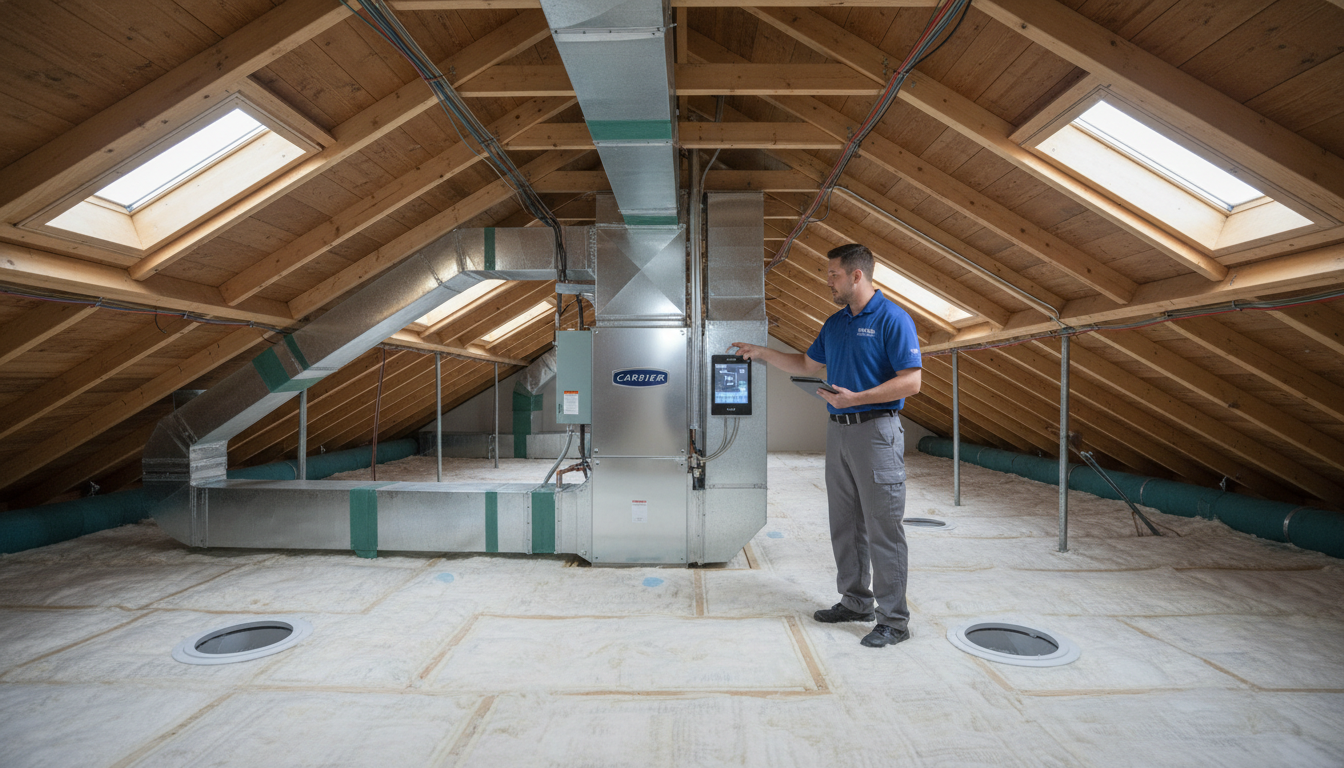
Another widespread belief is that closing vents in unused rooms will save energy. However, this can actually harm your HVAC system. Closing vents increases pressure within the ductwork, which can lead to leaks and decreased efficiency. Your system is designed to work with a certain amount of airflow, and altering this can cause problems.
Instead of closing vents, consider investing in a programmable thermostat to better manage your home's heating and cooling needs. This approach is more energy-efficient and helps maintain the longevity of your HVAC system.
Maintenance Misunderstandings
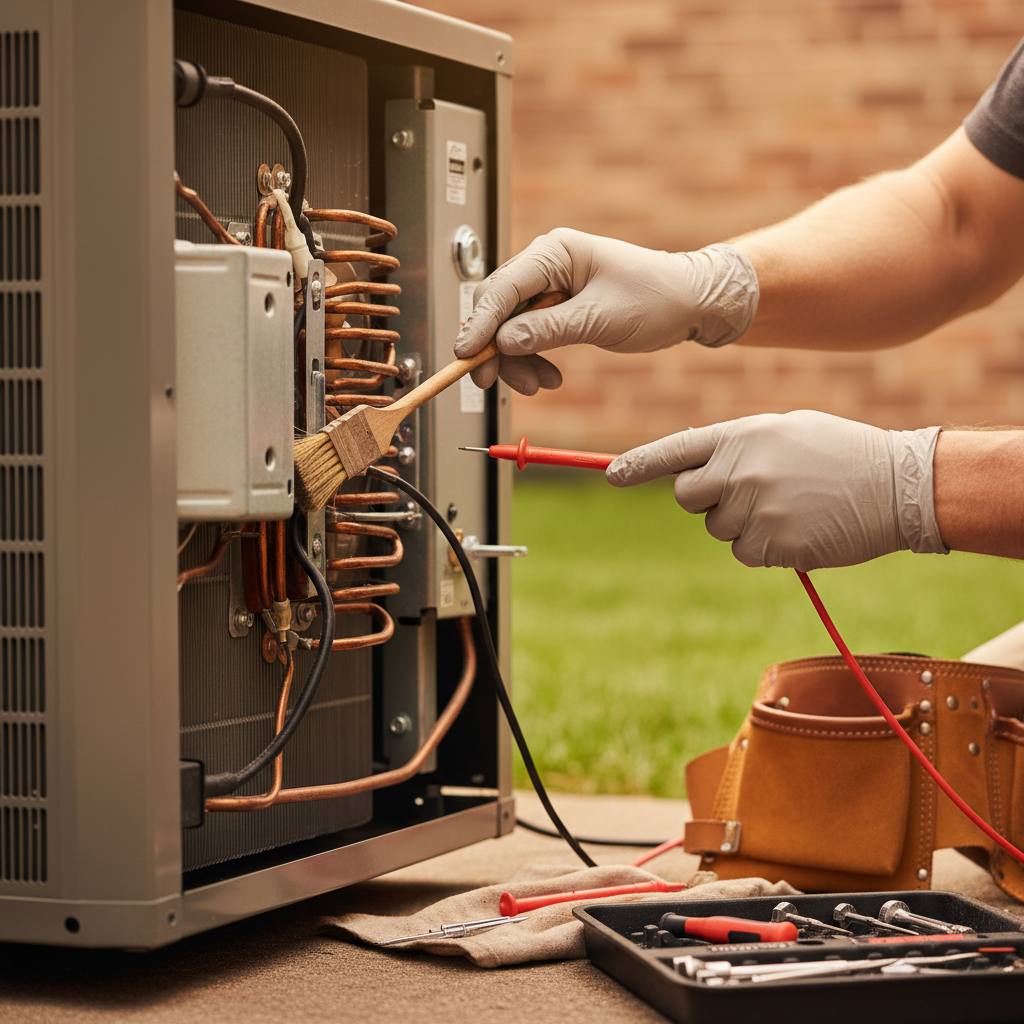
Regular maintenance is often overlooked or considered unnecessary, but neglecting your HVAC system can lead to reduced efficiency and costly repairs. Routine maintenance, such as changing filters and checking for leaks, is essential for optimal performance.
Scheduling professional inspections at least once a year can help identify potential issues before they become major problems. This proactive approach not only extends the life of your system but also ensures it operates at peak efficiency.
Myth: Thermostat Placement Doesn't Matter
Thermostat placement is more important than many realize. Placing a thermostat in direct sunlight or near heat-producing appliances can cause inaccurate readings, leading to inefficient heating or cooling.
For best results, install your thermostat on an interior wall, away from drafts, direct sunlight, and other heat sources. This will ensure it accurately reflects your home's temperature and helps maintain a comfortable environment.
Indoor Air Quality Concerns
Many people assume that their HVAC system only affects temperature, but it also plays a crucial role in indoor air quality. A poorly maintained system can circulate dust, allergens, and other pollutants throughout your home.
To improve air quality, consider installing high-quality filters and regularly cleaning your system's components. This not only enhances the air you breathe but also boosts the overall efficiency of your HVAC system.

Myth: All HVAC Systems Are the Same
Not all HVAC systems are created equal. There are various types, including central air, ductless mini-splits, and heat pumps, each with its own advantages and disadvantages. The best choice depends on your specific needs and home layout.
Consulting with a professional can help you determine the most suitable system for your home, ensuring you get the best performance and energy efficiency.
Final Thoughts
Understanding the nuances of HVAC systems can help dispel common myths and improve your system's efficiency and lifespan. By focusing on proper sizing, maintenance, and installation, you can enjoy a comfortable and cost-effective home environment year-round.