How to Troubleshoot Common HVAC Problems Before Calling a Professional


Understanding Your HVAC System
Your HVAC system is a crucial component of home comfort, especially during extreme weather conditions. However, like any other appliance, it can encounter issues over time. Before you call a professional, there are several troubleshooting steps you can take to potentially resolve the problem yourself.
Check the Thermostat
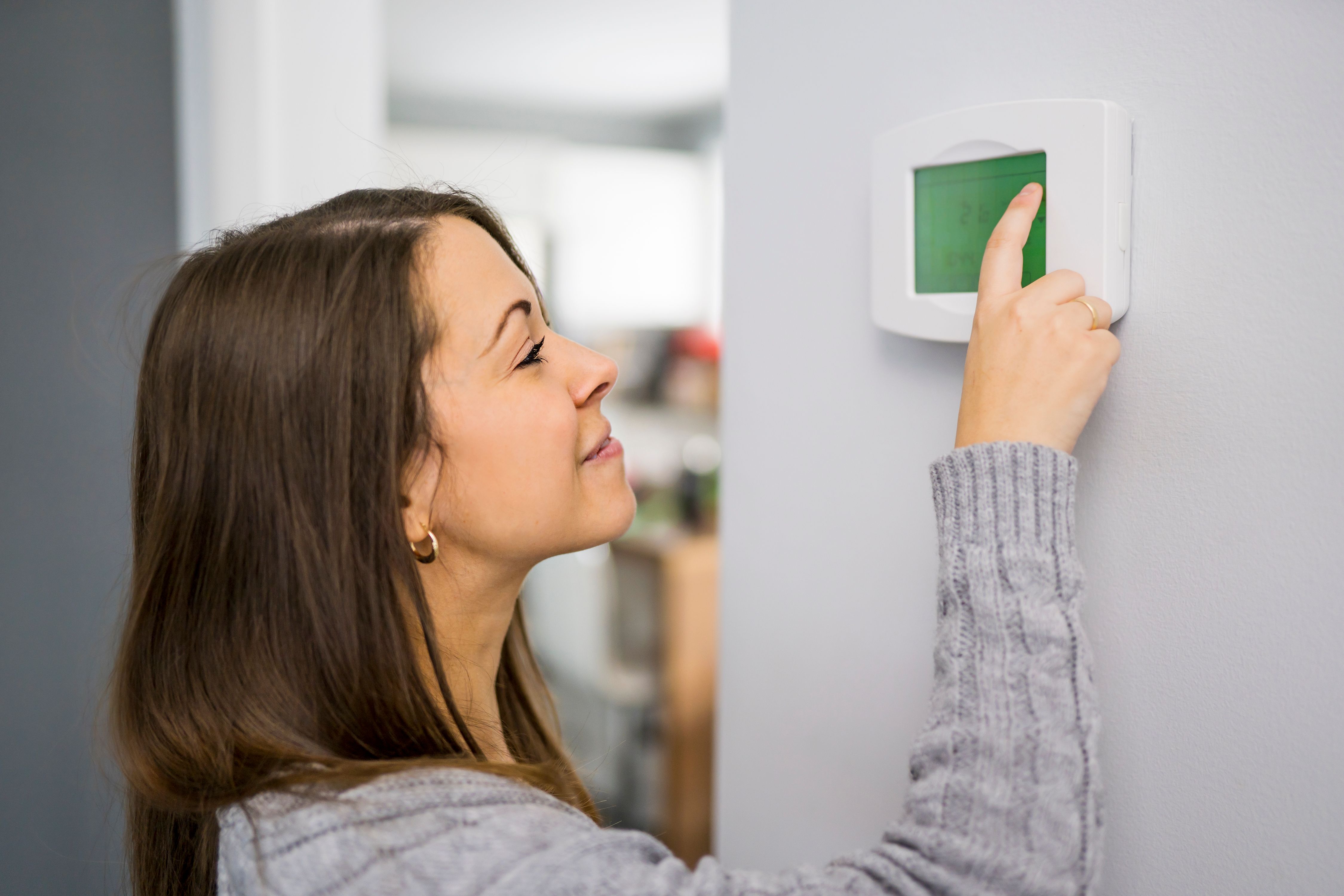
The first step in troubleshooting your HVAC system is to check the thermostat. Ensure it is set to the correct mode—either heating or cooling—and that the temperature setting is appropriate for the season. Sometimes, the issue might be as simple as dead batteries, so replace them if necessary.
Thermostat Settings
Make sure the thermostat is not set to “off” or “fan only.” If your system isn’t responding, try resetting the thermostat to see if that resolves the issue. This can often clear any minor software glitches.
Inspect Air Filters
A clogged air filter can significantly reduce your HVAC system's efficiency and lead to overheating or freezing. Check your air filters regularly and replace them every 1-3 months. A clean filter allows for better airflow and improves air quality.
How to Replace Air Filters
To replace the air filter, turn off your HVAC system, remove the old filter, and install a new one that fits the specifications. Ensure it is placed correctly according to the airflow direction indicated on the filter.
Examine Circuit Breakers
If your HVAC system won’t turn on, it might be due to a tripped circuit breaker. Check your home’s electrical panel to see if any breakers are in the “off” position. If you find one, switch it back to “on.” If the breaker trips again, there might be a more serious electrical issue at play.
Resetting the Circuit Breaker
To reset a circuit breaker, firmly move the switch to the “off” position before flipping it back to “on.” This ensures a complete reset and may restore power to your HVAC system.
Check for Obstructions
Inspect both indoor and outdoor units for obstructions. Debris, leaves, or ice can block airflow and cause your system to malfunction. Clear any visible debris from the exterior unit and ensure there is at least two feet of clearance around it.

Inspect Vents and Registers
Blocked vents and registers can also impede airflow. Make sure furniture, curtains, or other objects are not obstructing them. Ensure all vents are open to allow for optimal airflow throughout your home.
Listen for Unusual Noises
Strange noises coming from your HVAC system can indicate a problem. Listen for grinding, squealing, or banging sounds, as these might suggest mechanical issues. While some noise is normal, excessive or unusual sounds should not be ignored.
Assessing Noise Issues
If you identify a noise issue, try to locate its source. Tightening loose components or lubricating moving parts might resolve minor issues. However, persistent noises often require professional attention.
By following these troubleshooting steps, you can address some common HVAC problems yourself. However, if issues persist or you’re unsure about any steps, it’s best to contact a professional to avoid further damage.