How to Improve Indoor Air Quality: DIY Tips and Professional Advice


Understanding Indoor Air Quality
Indoor air quality is crucial for maintaining a healthy living environment. Poor air quality can lead to various health issues such as allergies, respiratory problems, and even more severe conditions. Fortunately, there are several ways to improve the air you breathe indoors, both through DIY methods and professional solutions.

DIY Tips for Better Air Quality
One of the simplest ways to enhance indoor air quality is by regularly ventilating your home. Open windows and doors when the weather permits to allow fresh air to circulate. This helps reduce the concentration of indoor pollutants.
Houseplants are not just decorative; they can also purify the air. Plants like spider plants, peace lilies, and snake plants are known for their air-cleaning properties. Consider placing them in various rooms to naturally filter the air.
Regular Cleaning and Maintenance
Dust and allergens can accumulate quickly, so regular cleaning is essential. Vacuum carpets and rugs at least once a week using a vacuum with a HEPA filter. Don’t forget to dust surfaces and clean curtains, which can harbor dust mites.
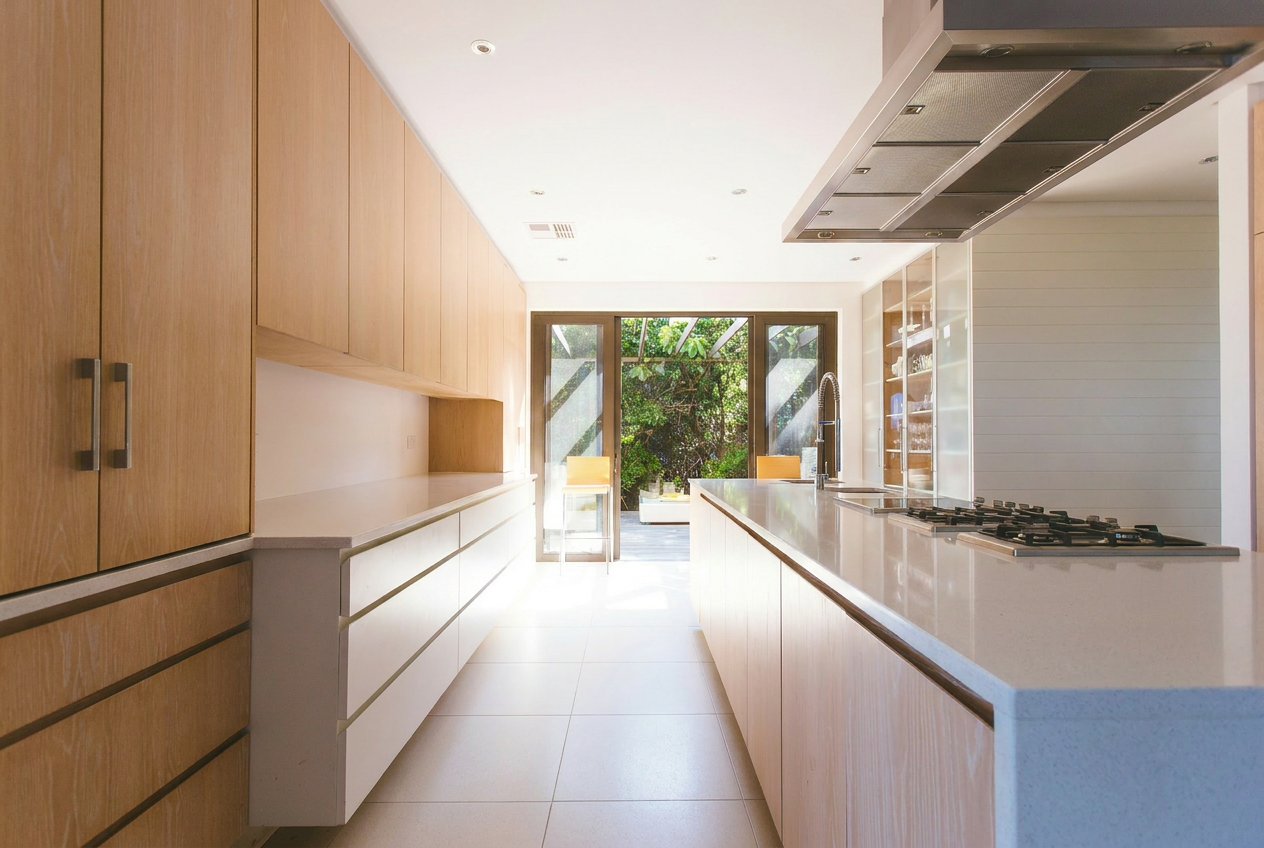
Maintaining your HVAC system is equally important. Change air filters every 1-3 months, depending on usage. Clean the vents and ducts annually to prevent dust buildup and ensure efficient operation.
Managing Humidity Levels
Humidity control is vital for air quality. High humidity can lead to mold growth, while low humidity can cause dry skin and respiratory discomfort. Use a humidifier or dehumidifier to maintain optimal humidity levels between 30% and 50%.
In bathrooms and kitchens, use exhaust fans to remove excess moisture. This helps prevent mold and mildew, which can negatively impact air quality and health.
Professional Solutions for Enhanced Air Quality
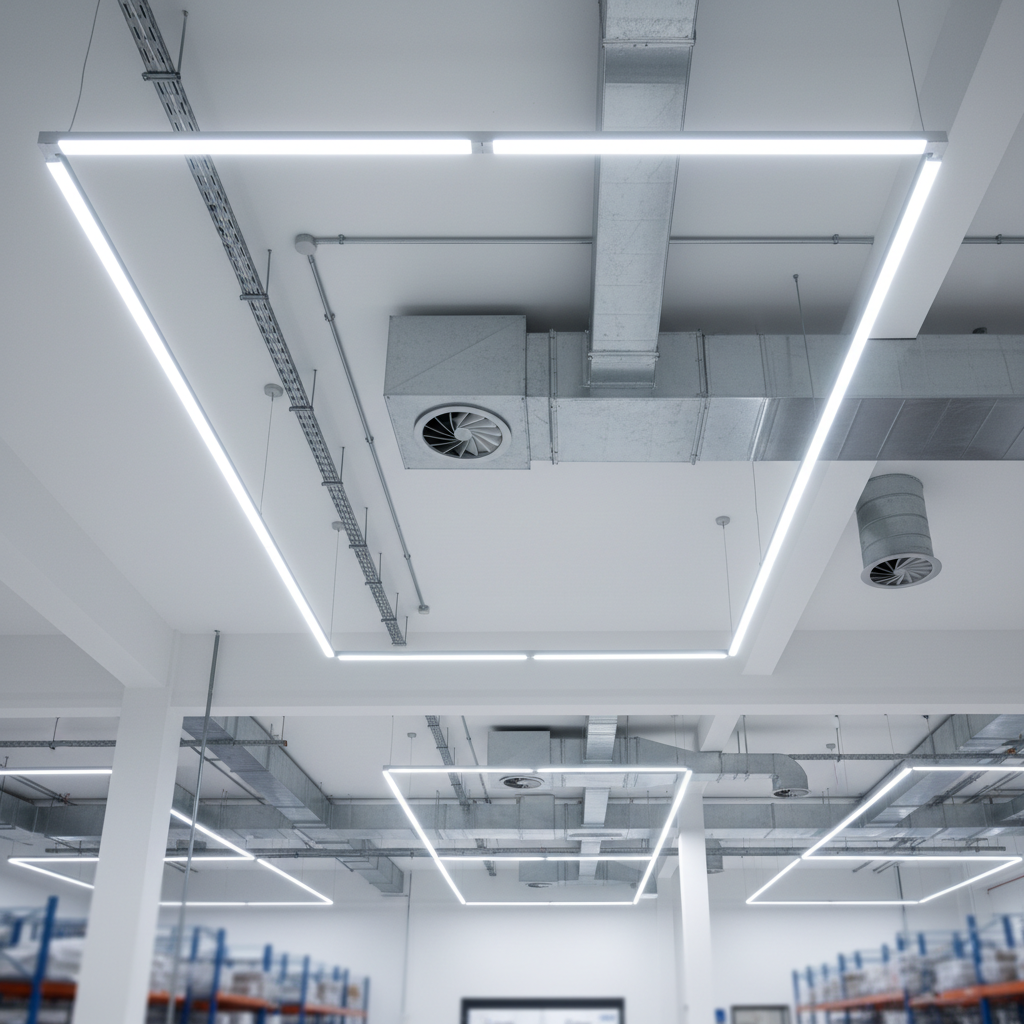
Sometimes, professional intervention is necessary to tackle severe air quality issues. Air quality testing can identify specific pollutants in your home. Professionals can recommend solutions based on the results, such as advanced air filtration systems or air purifiers.
Consider having your home inspected for radon, a naturally occurring gas that can cause lung cancer. If detected, professionals can implement mitigation strategies to reduce radon levels.
Conclusion
Improving indoor air quality is a combination of regular maintenance, smart choices, and professional advice when needed. By following these tips, you can create a healthier, more comfortable living environment for you and your family.