Expert Insights: The Future of Eco-Friendly HVAC Systems


Understanding the Shift Towards Eco-Friendly HVAC Systems
The HVAC industry is undergoing a transformative shift as sustainability becomes a pressing priority. With climate change concerns and rising energy costs, the demand for eco-friendly HVAC systems is stronger than ever. Experts predict that the future of HVAC will be dominated by innovations that not only enhance energy efficiency but also reduce carbon footprints.

Innovative Technologies Leading the Way
Advancements in technology are paving the way for greener HVAC solutions. Smart thermostats, for instance, are revolutionizing how we control indoor climates. These devices learn user preferences and adjust settings automatically, optimizing energy usage and reducing waste.
Another promising development is the integration of geothermal heating and cooling systems. By utilizing the earth's stable underground temperatures, these systems offer a highly efficient alternative to traditional HVAC solutions. As technology continues to evolve, we can expect more groundbreaking innovations in this space.
The Role of Renewable Energy
Renewable energy sources, such as solar and wind, are becoming integral to modern HVAC systems. Solar panels can be used to power HVAC units, significantly reducing reliance on non-renewable energy sources. This not only helps in cutting down electricity bills but also contributes to a healthier environment.
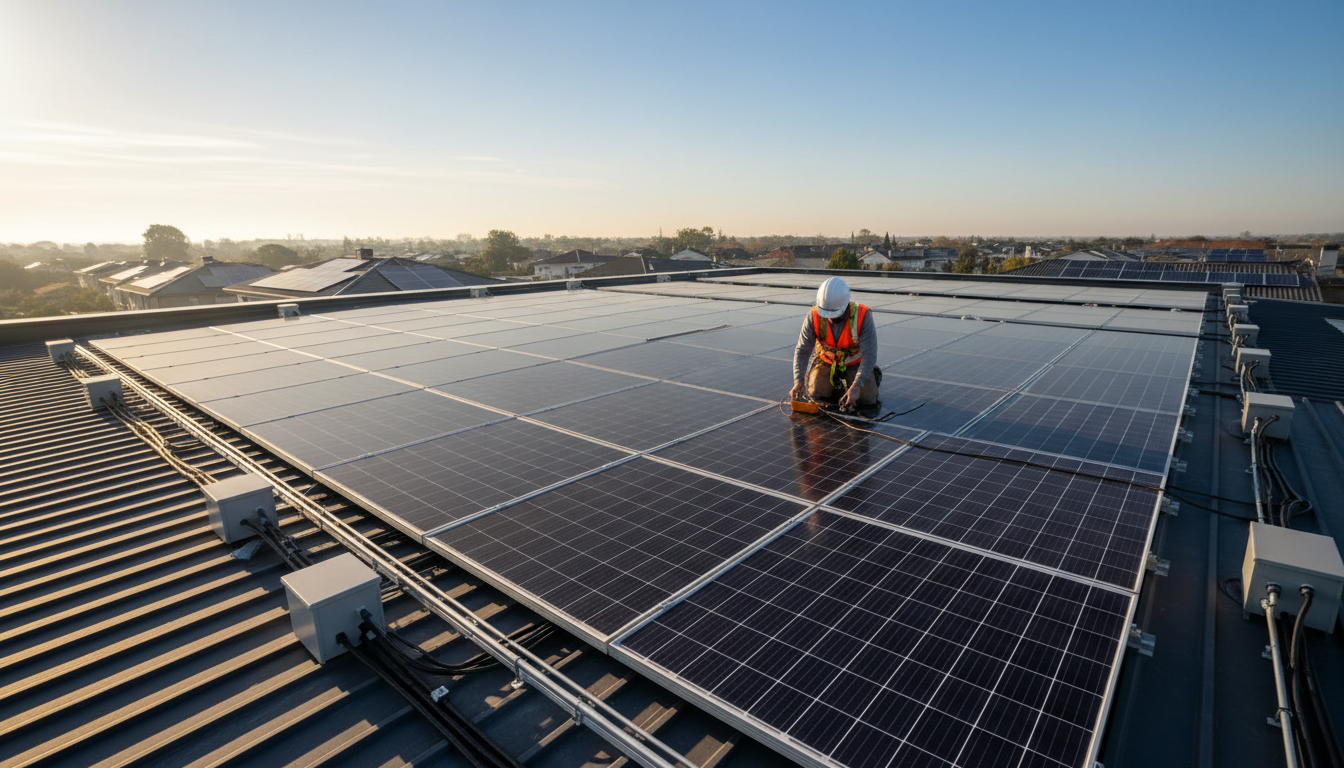
Moreover, the integration of renewable energy with HVAC systems aligns with global sustainability goals. As governments and organizations push for greener policies, the adoption of such systems is expected to rise, driving the HVAC industry towards a more sustainable future.
Energy Efficiency Regulations and Standards
Regulatory bodies are playing a crucial role in shaping the future of eco-friendly HVAC systems. By implementing stringent energy efficiency standards, these organizations are ensuring that manufacturers prioritize sustainability in their designs. This not only benefits the environment but also encourages innovation within the industry.
For consumers, these regulations translate to more options for energy-efficient systems, which can lead to long-term savings and a reduced environmental impact.

The Importance of Consumer Awareness
As eco-friendly HVAC systems become more prevalent, consumer awareness is crucial for driving adoption. Educating homeowners and businesses about the benefits of sustainable HVAC solutions can lead to increased demand and further innovation. Informative campaigns and incentives can play a significant role in this educational process.
Consumers who understand the environmental and financial benefits of eco-friendly systems are more likely to make informed decisions, contributing to the overall shift towards sustainability in the HVAC industry.
Challenges and Opportunities Ahead
While the future of eco-friendly HVAC systems looks promising, there are challenges to overcome. High initial costs and a lack of widespread infrastructure for renewable energy can hinder progress. However, these challenges present opportunities for industry leaders to innovate and develop cost-effective solutions.
The ongoing collaboration between technology developers, regulatory bodies, and consumers will be key to overcoming these obstacles and ensuring a sustainable future for HVAC systems.