Eco-Friendly HVAC Systems: Trends and Innovations for a Greener Home


Introduction to Eco-Friendly HVAC Systems
As the world becomes increasingly aware of environmental impacts, homeowners are seeking ways to reduce their carbon footprint. One significant area of focus is the heating, ventilation, and air conditioning (HVAC) systems. Eco-friendly HVAC systems are not only beneficial for the planet but can also lead to cost savings and improved indoor air quality.
Why Choose Eco-Friendly HVAC Systems?
Choosing an eco-friendly HVAC system offers numerous advantages. These systems are designed to be more efficient, which means they use less energy to achieve the same level of comfort. This efficiency translates into lower utility bills and reduced greenhouse gas emissions.
Additionally, many eco-friendly systems incorporate sustainable materials and technologies that further minimize environmental impacts. Investing in such systems is a practical step towards creating a greener home.
Innovations in HVAC Technology
Recent innovations in HVAC technology have made it easier than ever to maintain a comfortable home while being environmentally conscious. Here are some key advancements:
- Geothermal Heat Pumps: These systems utilize the earth's stable underground temperature to efficiently heat and cool homes.
- Variable Refrigerant Flow (VRF) Systems: These provide precise temperature control and are known for their energy efficiency.
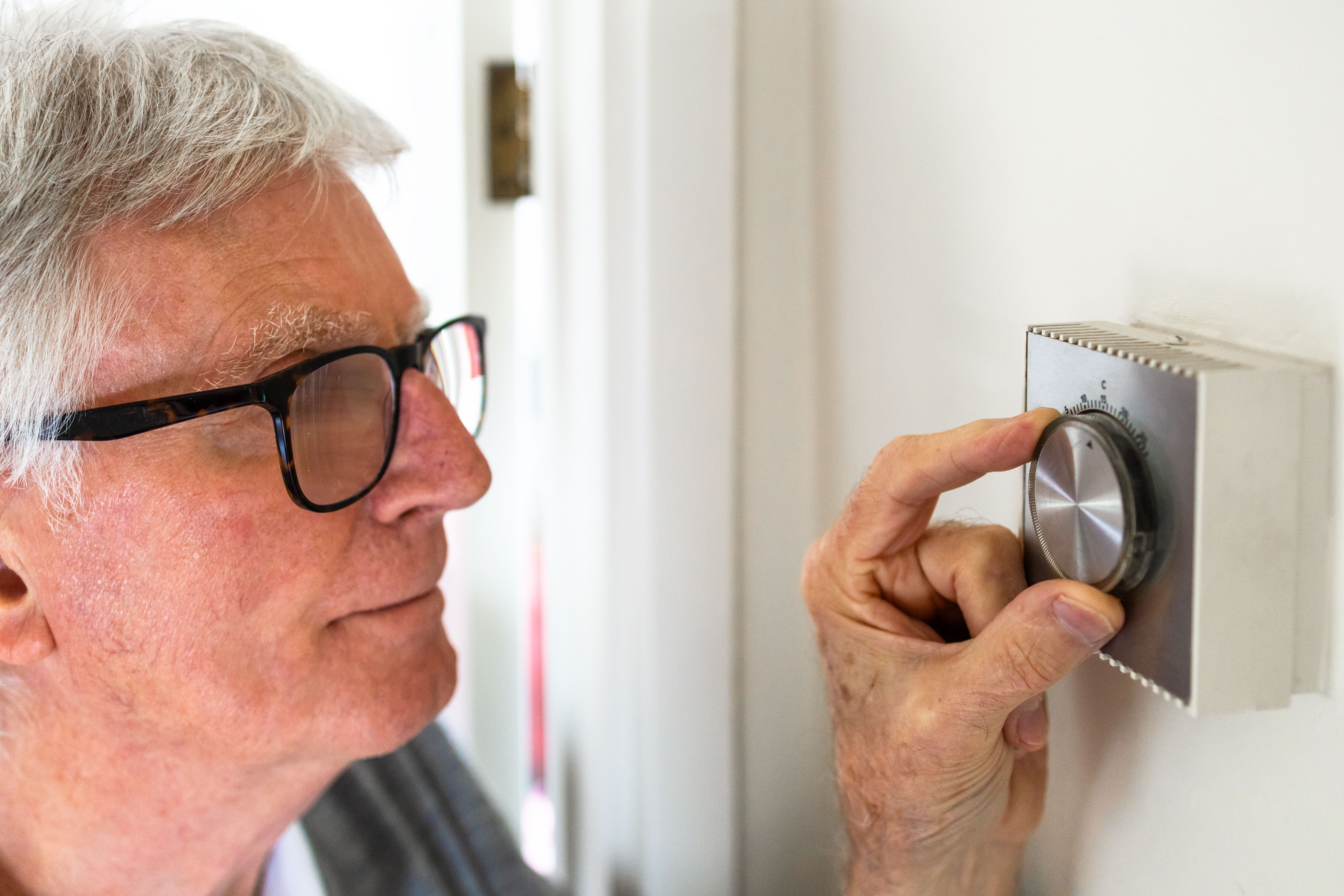
- Smart Thermostats: By learning your preferences and adjusting settings automatically, these devices optimize energy use.
Trends in Sustainable HVAC Solutions
The trend towards sustainable HVAC solutions is growing, with more homeowners and builders opting for systems that reduce environmental impact. Some of the most popular trends include:
- Solar-Powered HVAC Systems: Utilizing solar panels to power HVAC systems can drastically cut down on energy costs.
- Energy Recovery Ventilation (ERV): This technology recovers energy from exhausted air, reducing the need for additional heating or cooling.
- Zoning Systems: Allowing for customized temperature control in different areas of a home, these systems improve comfort and efficiency.
Benefits of Upgrading to Eco-Friendly HVAC Systems
Upgrading to an eco-friendly HVAC system can provide substantial benefits. Not only do these systems help reduce energy consumption, but they also improve indoor air quality by using advanced filtration methods. This can be especially beneficial for individuals with allergies or respiratory issues.
Considerations Before Making the Switch
Before upgrading to an eco-friendly HVAC system, homeowners should consider several factors. It's essential to evaluate the initial investment cost against potential savings. While these systems may have a higher upfront cost, the long-term savings in energy bills can be significant.
Additionally, it's important to work with a certified HVAC professional to ensure the system is properly installed and suited to the specific needs of your home.
Conclusion: A Step Towards Sustainability
Transitioning to an eco-friendly HVAC system is a proactive step toward sustainability. By embracing the latest trends and innovations in HVAC technology, homeowners can enjoy a more comfortable living environment while contributing to a healthier planet.
Whether you're building a new home or upgrading an existing system, considering eco-friendly options is a wise investment for the future.