DIY Tips for Basic HVAC Troubleshooting Before Calling a Professional


Understanding Your HVAC System
Your HVAC system is a complex machine designed to keep your home comfortable year-round. While calling a professional is often necessary for complex issues, there are several basic troubleshooting steps you can take to potentially resolve minor problems yourself. These tips can help you save time and money.
Check the Thermostat
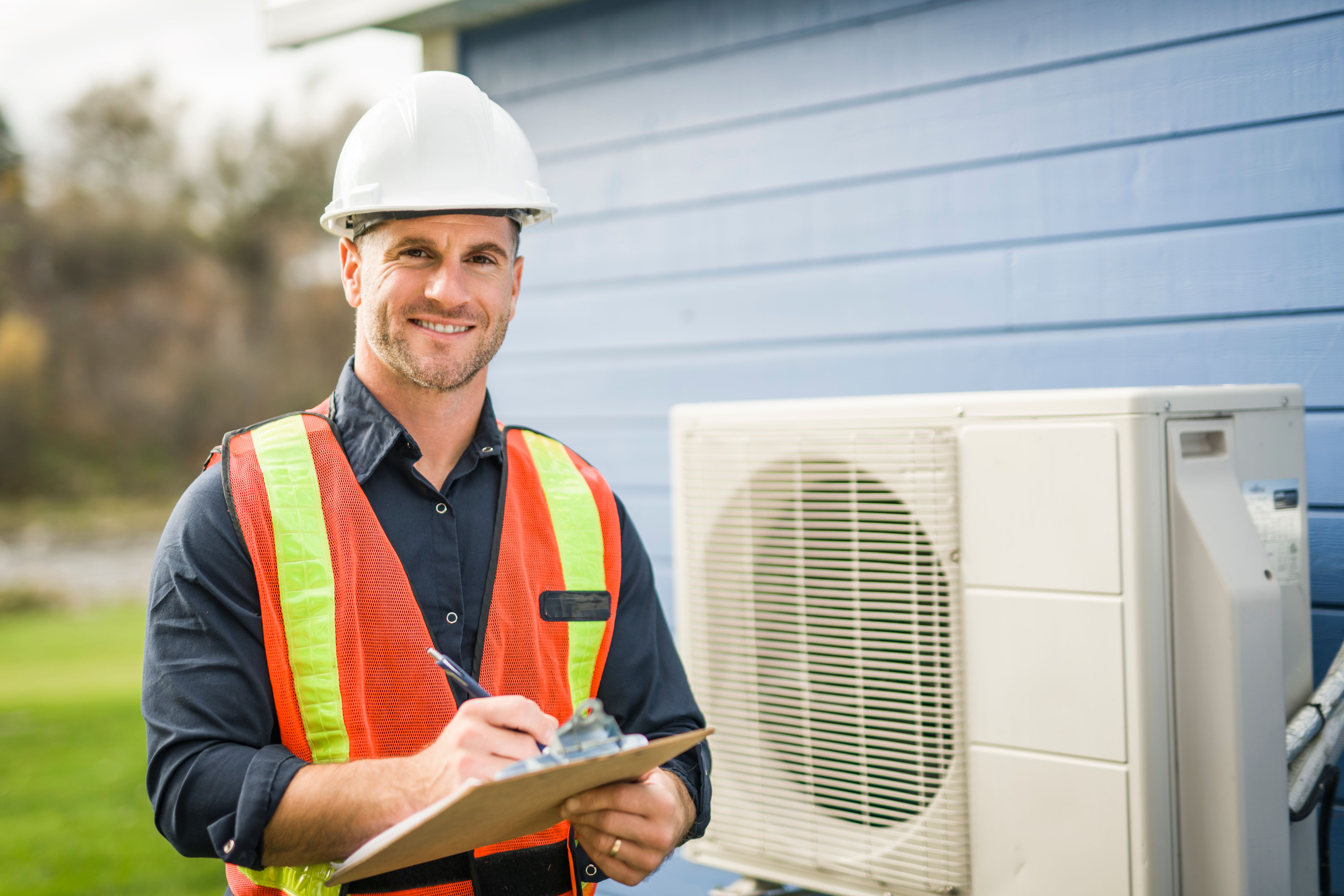
One of the simplest things you can do is to check your thermostat. Ensure that it’s set to the correct mode—either heating or cooling—and that the temperature setting is correct. Replace the batteries if necessary, and clean any dust or debris from the unit, which might interfere with its operation.
Inspect Filters
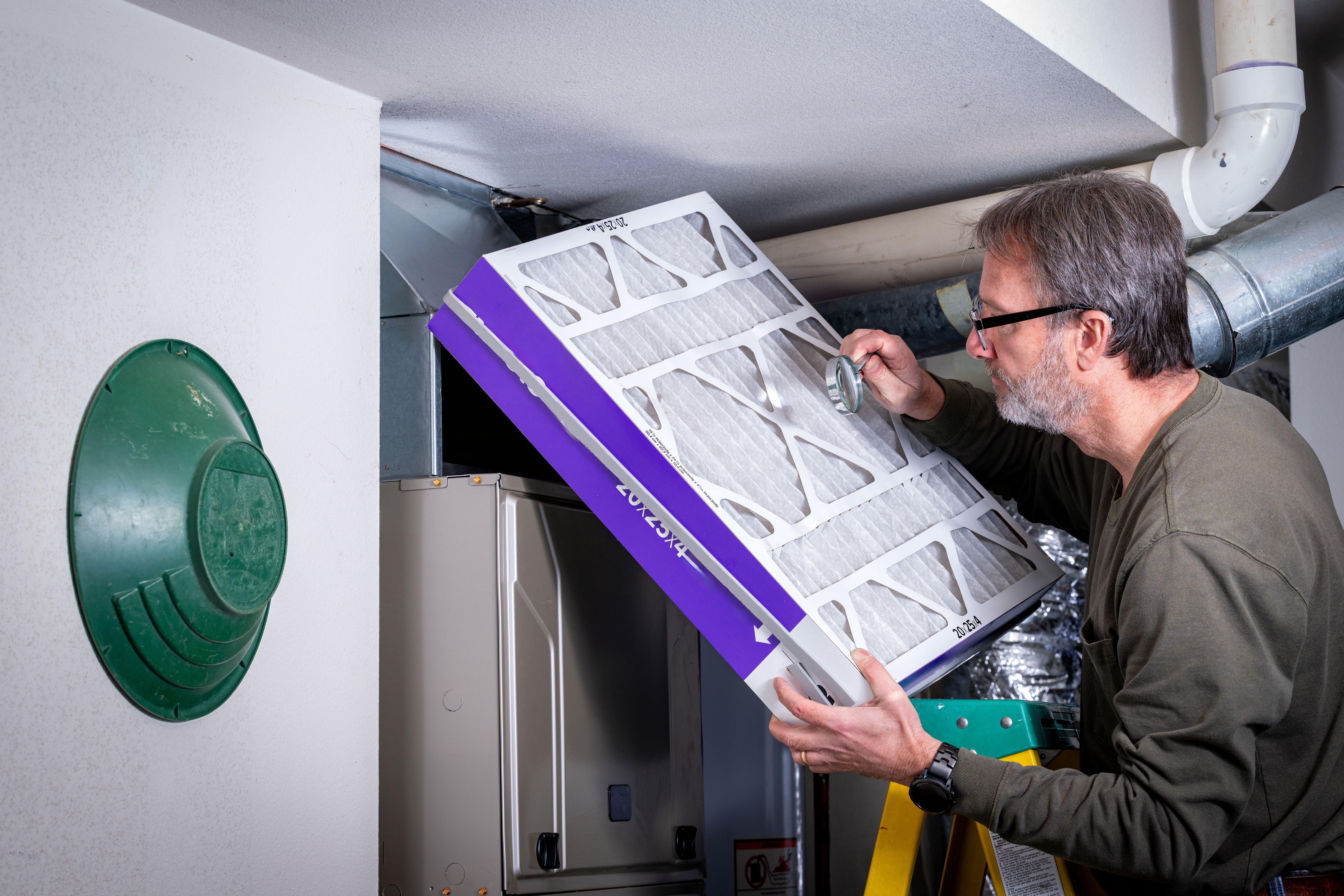
Dirty or clogged filters can significantly impact the efficiency of your HVAC system. Check the filters regularly and replace them every 1-3 months, depending on usage and the type of filter. Clean filters ensure better air quality and improve system performance.
Examine Circuit Breakers
If your HVAC system isn’t turning on, check the circuit breakers. Sometimes, a power surge or overload can trip the breaker. Resetting it might be all you need to get your system running again. However, if the breaker trips repeatedly, it’s best to consult a professional.
Inspect Outdoor Unit
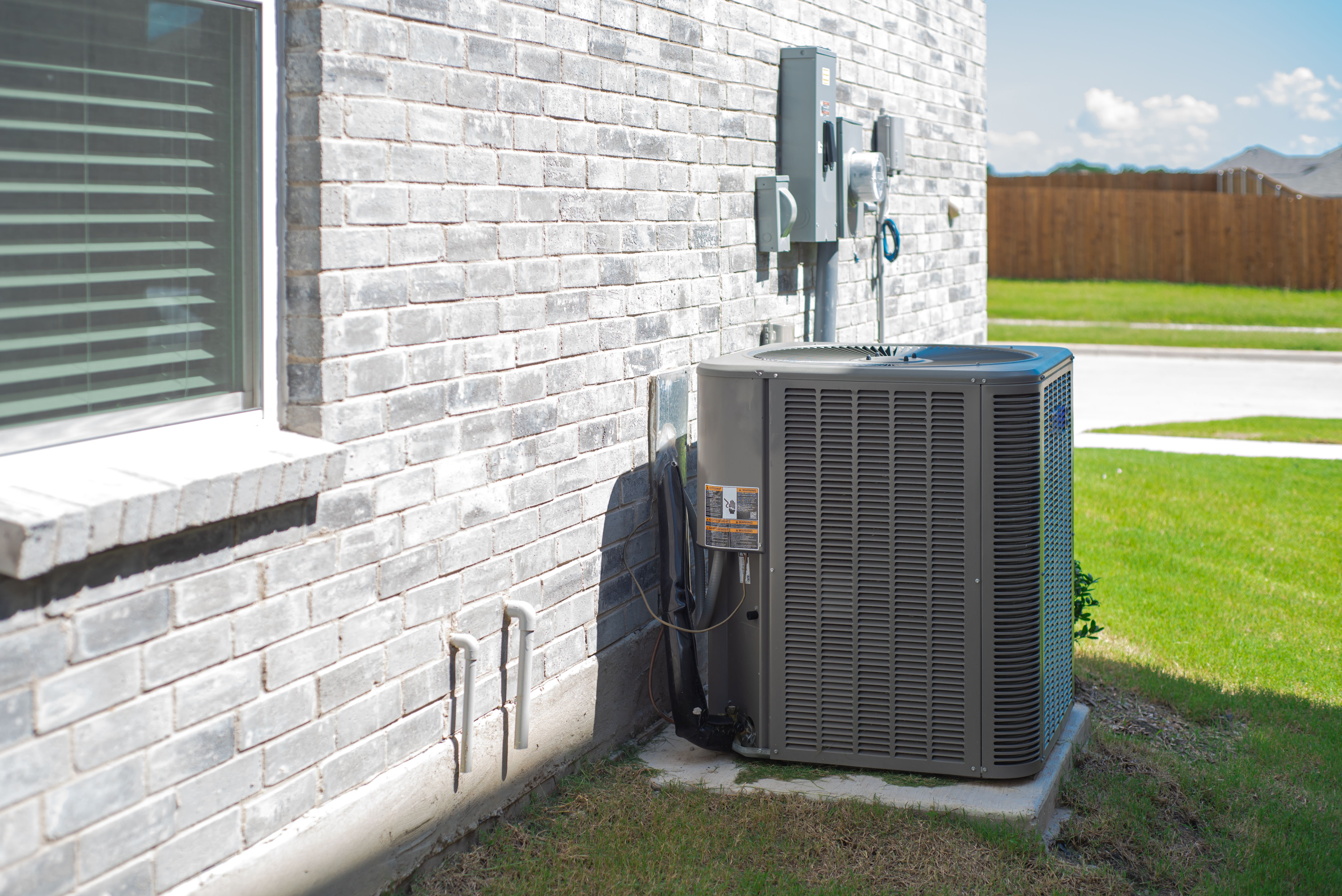
Your outdoor unit is exposed to the elements, which means it can accumulate dirt, leaves, and other debris. Make sure to clear any obstructions from the unit and ensure there’s at least two feet of clear space around it. This helps maintain proper airflow.
Check for Leaks
Water leaks around your HVAC system can indicate a variety of issues, from a clogged drain line to a refrigerant leak. Inspect any visible lines and connections for moisture. If you find a significant leak or can’t identify the source, it’s time to call a professional.
Listen for Unusual Noises
HVAC systems can make several noises during normal operation, but unusual sounds like banging, rattling, or squealing can indicate a problem. Listen carefully and note where the noise is coming from. This information can be helpful if you end up needing professional assistance.
Ensure Vents Are Unblocked
Blocked vents can cause uneven heating or cooling in your home. Walk through your home and make sure that furniture, curtains, or other items aren’t obstructing the vents. Clear vents allow for better airflow and more efficient operation of your HVAC system.
Conclusion: Know When to Call a Professional
While these DIY tips can help you troubleshoot basic HVAC issues, some problems require the expertise of a professional. If you’re unsure about any aspect of your HVAC system or if your troubleshooting doesn’t resolve the issue, don’t hesitate to contact a professional. Regular maintenance and timely repairs can extend the life of your system and keep it running efficiently.