DIY HVAC Troubleshooting Tips for Travis County Residents


Understanding Your HVAC System
As a resident of Travis County, having a reliable HVAC system is essential for maintaining comfort throughout the year. However, like any other system, it may run into issues from time to time. Before calling in the professionals, there are some DIY troubleshooting tips you can try.
Check the Thermostat Settings
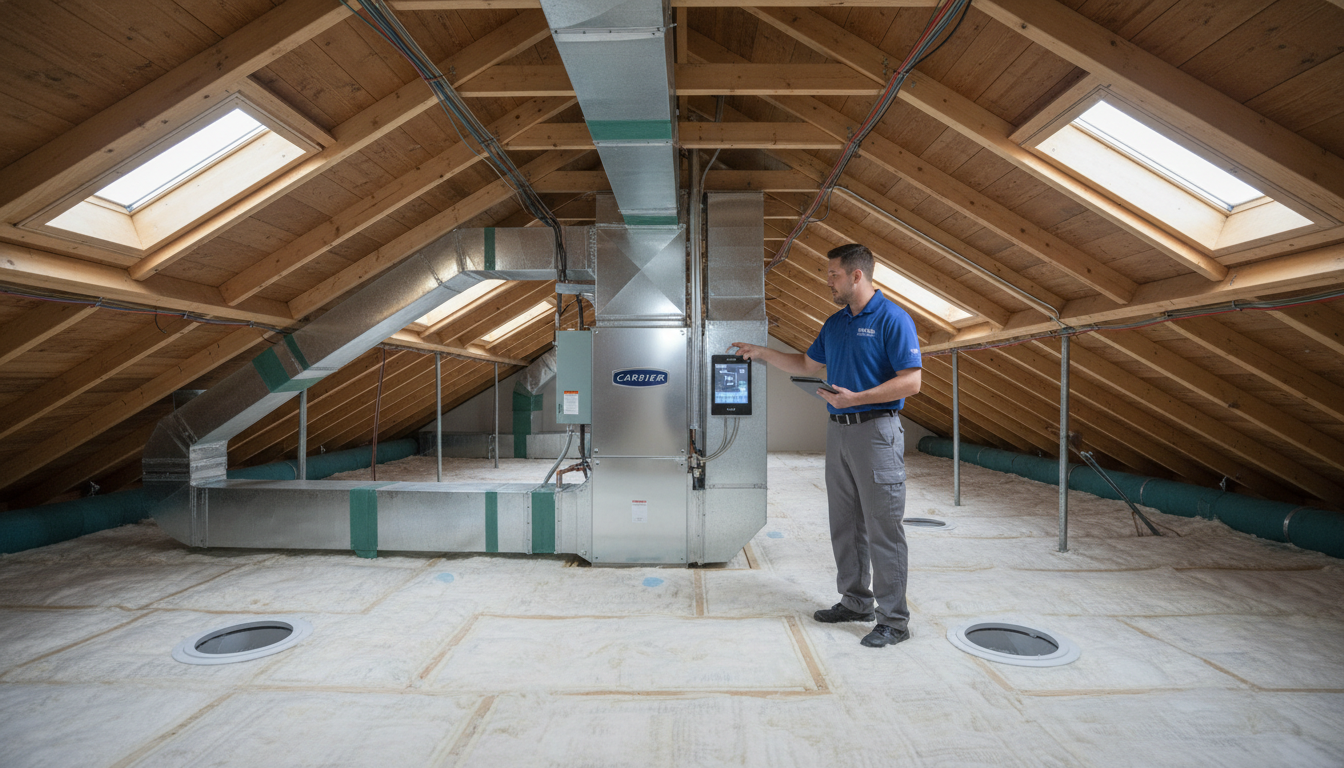
One of the first things to check when your HVAC system isn't working properly is the thermostat. Ensure that it is set to the correct mode, either heating or cooling, depending on the season. Also, make sure the temperature setting is appropriate. Sometimes, simply replacing the batteries can solve the problem.
If your thermostat is programmable, verify that the programmed settings align with your desired temperature. A misconfigured schedule can lead to unexpected temperature changes.
Inspect the Air Filters
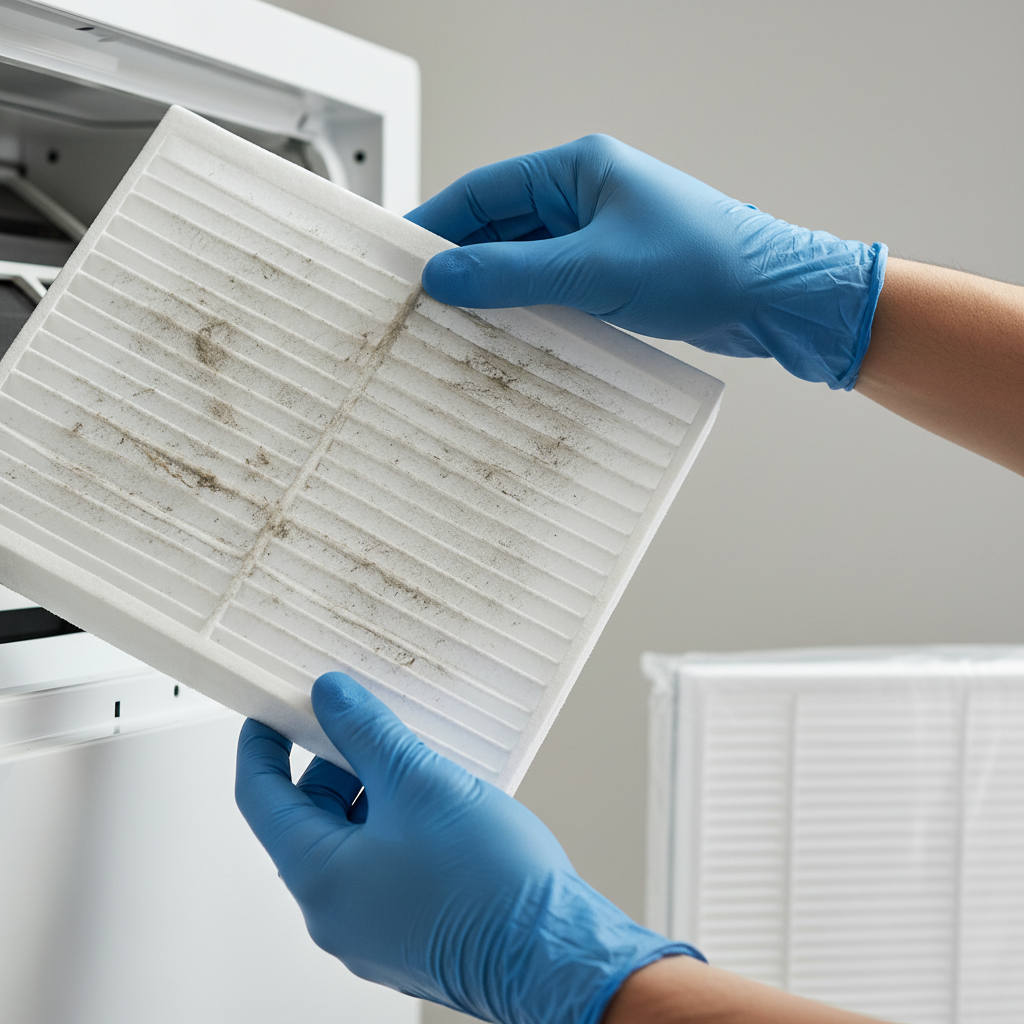
Clogged air filters can severely impact the efficiency of your HVAC system. It is recommended to check and replace the air filters every 1-3 months. A clean filter ensures proper airflow and reduces strain on the system, which can prevent larger issues down the line.
Examine the Circuit Breaker
If your HVAC system won't turn on, it might be due to a tripped circuit breaker. Locate your home's electrical panel and check for any tripped breakers. If you find one, reset it and see if that resolves the issue. However, if the breaker trips again, it may indicate a larger electrical problem.
Look for Obstructions Around the Outdoor Unit
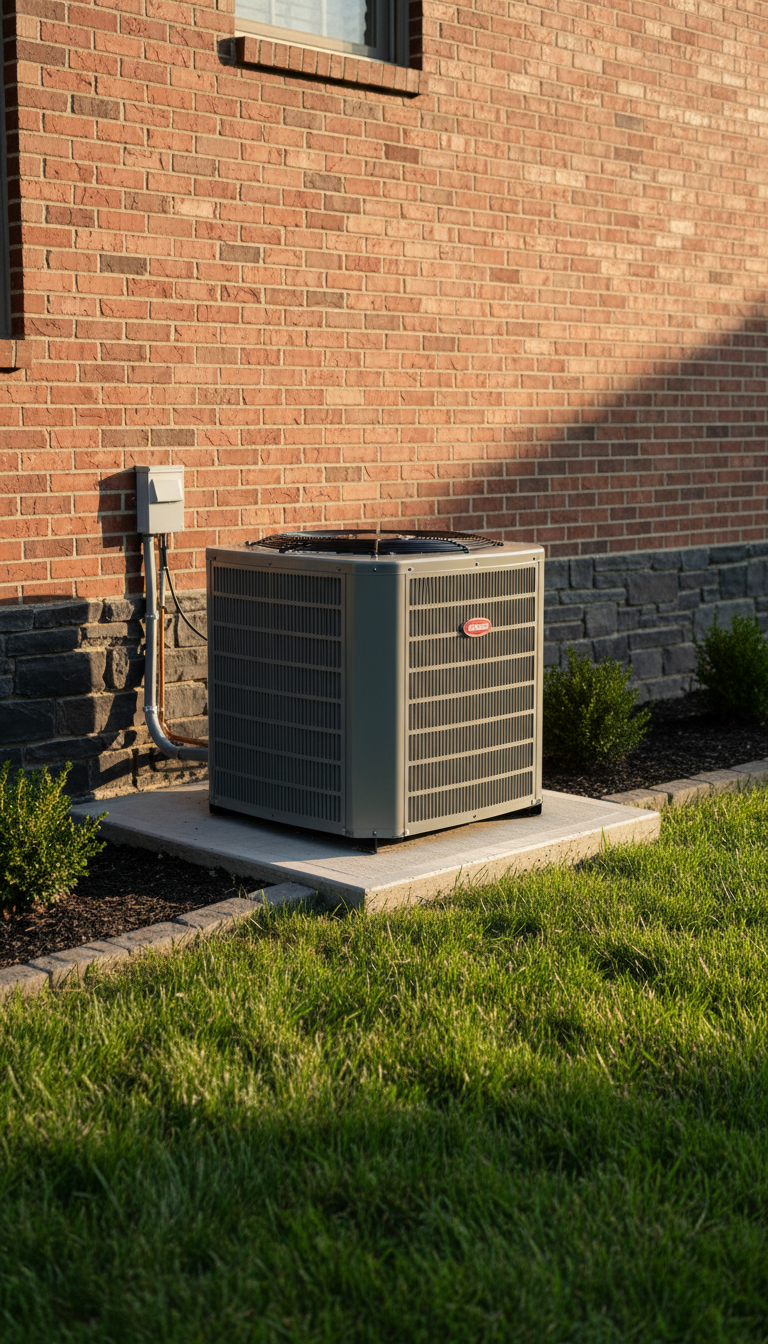
The outdoor unit of your HVAC system needs sufficient airflow to operate efficiently. Make sure there are no plants, debris, or other obstructions within a two-foot radius. Cleaning and maintaining the area around the unit can prevent overheating and improve performance.
Listen for Unusual Noises
Strange noises coming from your HVAC system can be a sign of underlying issues. Rattling might indicate loose parts, while squealing could mean a problem with the motor. Identifying these sounds early can help you address problems before they become serious.
Check the Ductwork
Leaky or blocked ducts can lead to inefficient heating and cooling. Inspect the visible ductwork for any obvious signs of damage or disconnection. Sealing leaks with duct tape or mastic sealant can improve your system's efficiency.
Know When to Call a Professional
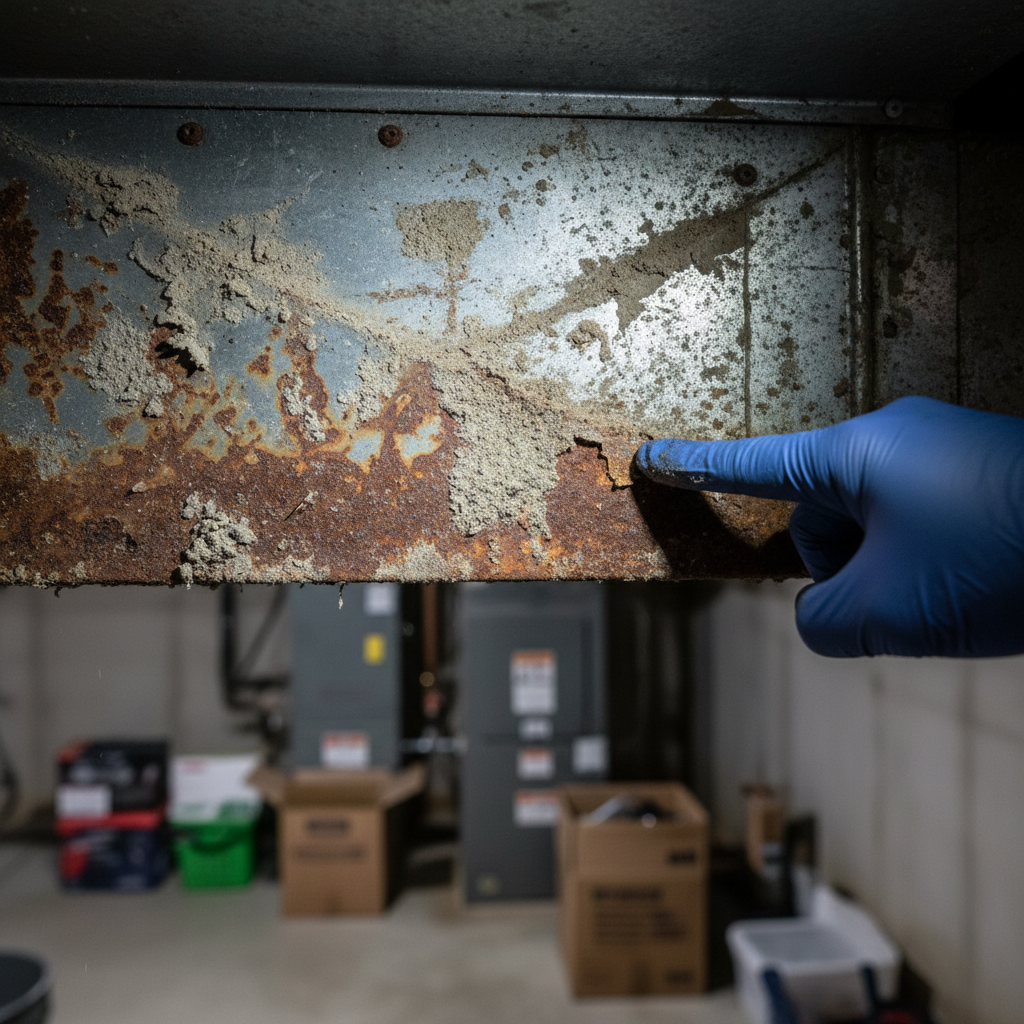
While DIY troubleshooting can solve many minor issues, some problems require professional attention. If you encounter persistent issues, unusual smells, or significant leaks, it's time to contact a licensed HVAC technician.
By following these simple tips, Travis County residents can keep their HVAC systems running smoothly and efficiently throughout the year. Regular maintenance and awareness of common issues can save both time and money.