DIY Air Conditioning Tips: Simple Fixes Before Calling the Pros


With summer temperatures rising, a functioning air conditioner is essential. However, before you call in the professionals, there are several DIY fixes you can try yourself. These simple steps might just save you time and money.
Check the Thermostat
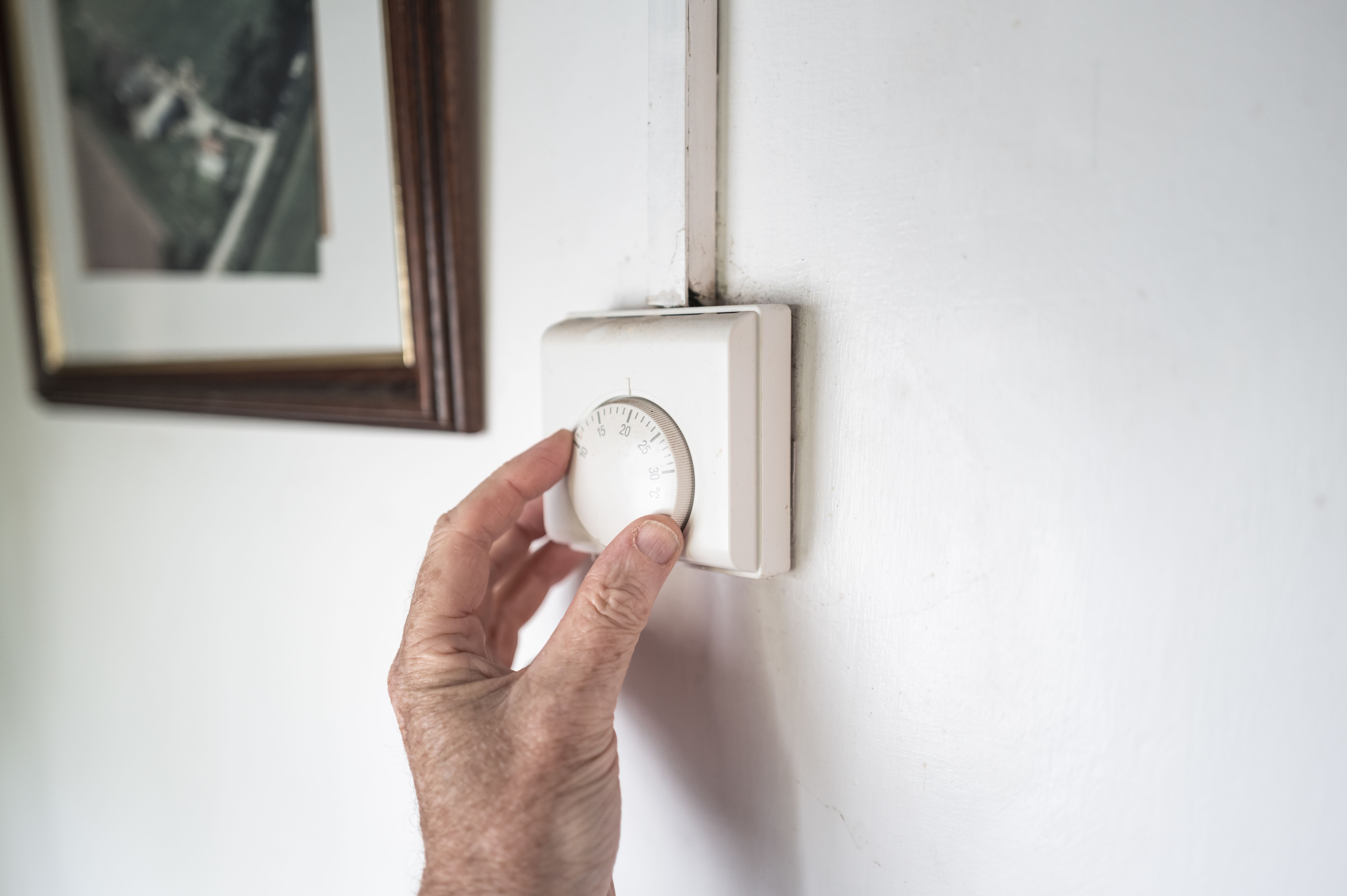
The first thing to inspect is your thermostat. Ensure that it is set to the correct temperature and mode. Sometimes, settings can be accidentally changed, which might cause your air conditioner to stop working efficiently. If your thermostat uses batteries, consider replacing them as well.
If you have a programmable thermostat, make sure it's programmed correctly. An incorrect schedule can lead to unexpected temperatures in your home.
Clean or Replace Filters
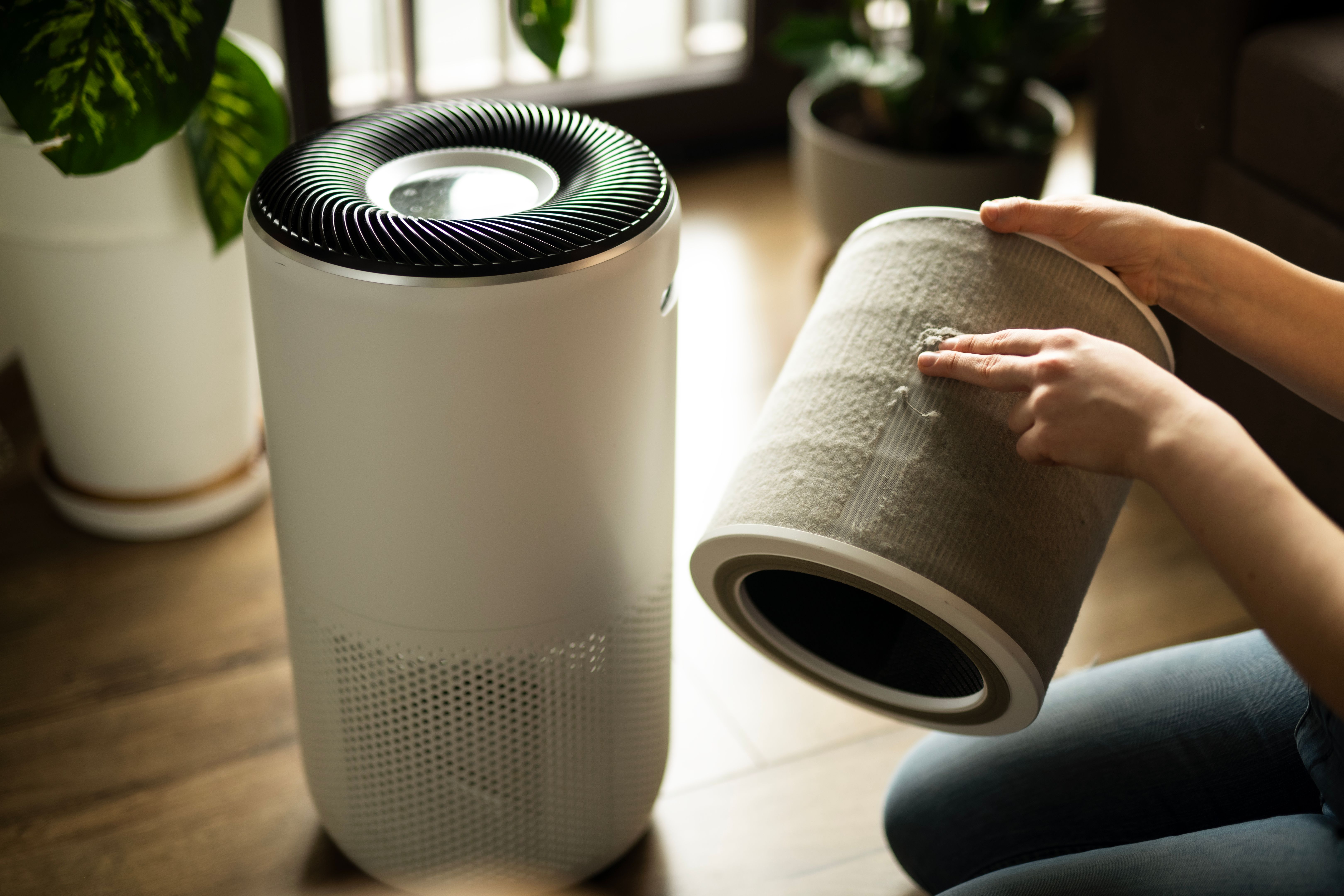
Dirty or clogged filters can significantly affect your air conditioner's performance. Regularly cleaning or replacing filters is one of the simplest and most effective ways to improve your AC's efficiency. Depending on the type of filter, you can either wash it or replace it entirely.
Check your air filter every month, especially during heavy use periods. Keeping it clean helps maintain good airflow and reduces strain on your system.
Inspect the Circuit Breaker
If your air conditioner isn't turning on, it might be due to a tripped circuit breaker. Check your electrical panel and reset any tripped breakers. If the breaker trips repeatedly, it could indicate a more serious electrical issue that requires professional attention.
Clear Debris Around the Unit
Outdoor units can become clogged with leaves, dirt, and other debris. This can block airflow and cause your system to work harder than necessary. Make sure to clear away any obstructions around the unit and trim back any overgrown vegetation.

Examine the Ductwork
Leaky or damaged ducts can lead to significant energy loss. Inspect your ductwork for any visible signs of wear or damage, such as holes or loose connections. Sealing these leaks can improve efficiency and ensure cool air is distributed evenly throughout your home.
Check for Ice Build-Up
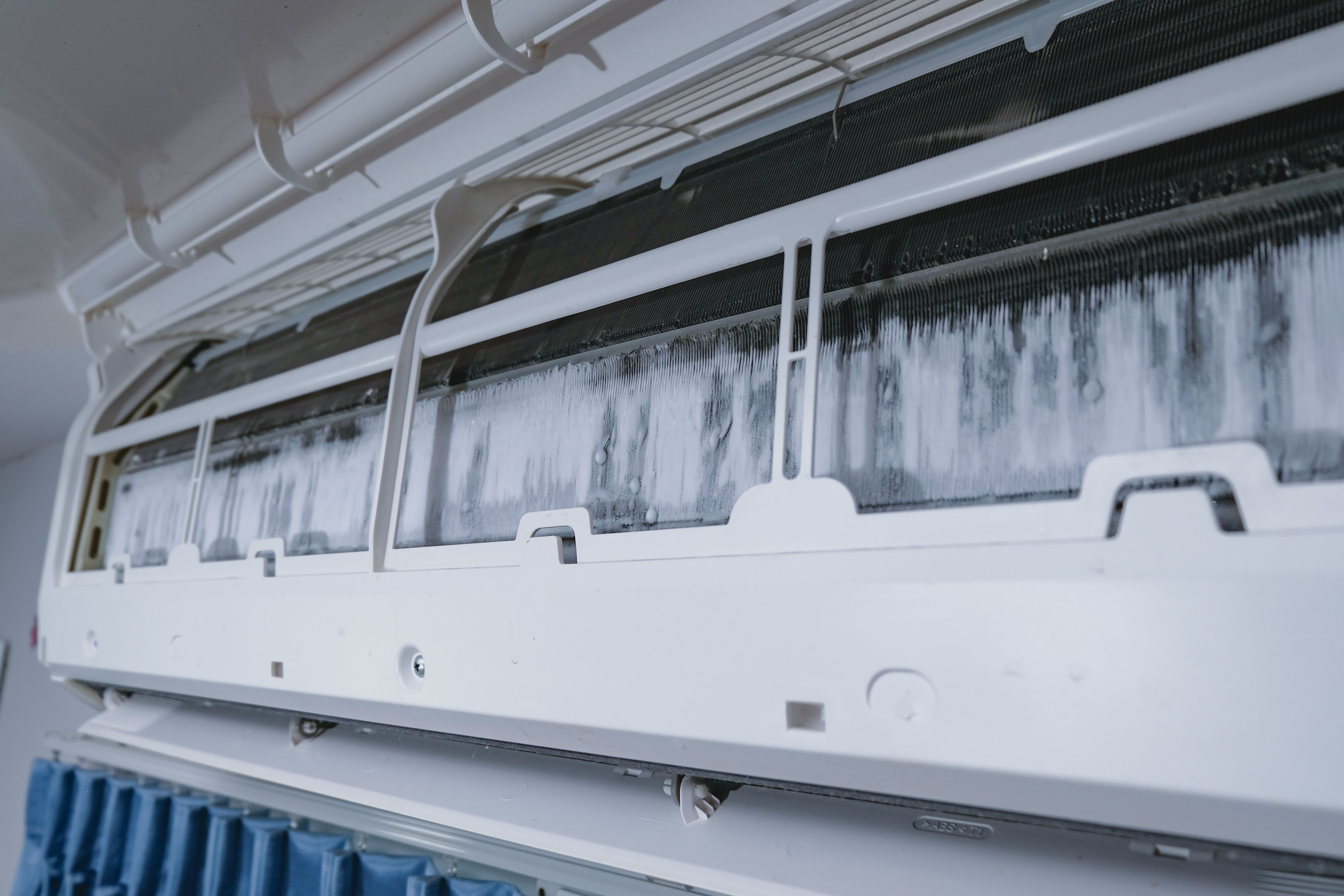
If you notice ice on your air conditioner, it could be due to restricted airflow or refrigerant issues. Turn off your system and let it defrost completely. Once the ice has melted, check for any obvious blockages in the airflow and replace the filter if necessary.
Assess the Refrigerant Lines
Refrigerant lines should be insulated to maintain efficiency. Check for any wear or damage to the insulation and replace it if needed. Leaks or low refrigerant levels can also affect performance, but these issues typically require professional handling.
By following these DIY tips, you may be able to resolve minor air conditioning issues on your own. However, if problems persist, it's best to call a professional to ensure your system is running safely and efficiently.