Debunking Common HVAC Myths: What Every Texan Should Know


Myth 1: Bigger HVAC Systems Are Always Better
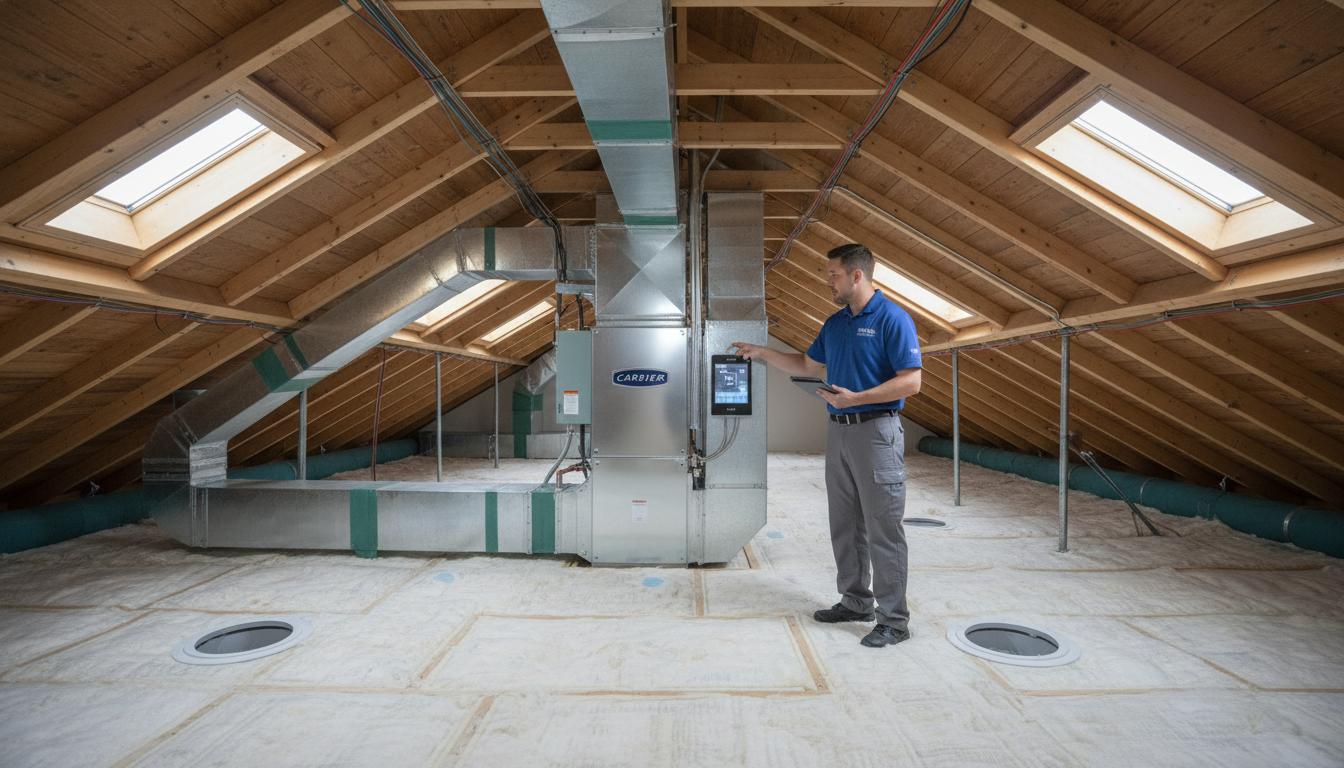
One common misconception is that a larger HVAC system will provide better climate control. However, an oversized system can lead to problems such as short cycling, which reduces efficiency and increases wear and tear. It’s essential to choose the right size for your home to ensure optimal performance and energy efficiency.
Understanding the Right Size
The key to a suitable HVAC system is finding the perfect balance for your space. Professional HVAC technicians use specific calculations, considering factors like square footage, insulation, and window placement, to determine the appropriate size.
Myth 2: Closing Vents in Unused Rooms Saves Money
Many Texans believe that closing vents in unused rooms will save on energy costs. Unfortunately, this myth can cause more harm than good. Blocking vents disrupts airflow and can lead to increased pressure in the ducts, causing leaks and reducing overall efficiency.
The Importance of Proper Airflow
Proper airflow is crucial for maintaining an efficient HVAC system. Instead of closing vents, consider investing in a programmable thermostat that allows you to set different temperatures for specific times of the day. This approach is more effective in managing energy consumption.

Myth 3: HVAC Maintenance Isn’t Necessary
Skipping regular maintenance is a common mistake that can lead to costly repairs down the road. Regular check-ups ensure your system operates efficiently and can extend its lifespan.
Benefits of Regular Maintenance
Routine maintenance includes cleaning filters, checking for leaks, and ensuring all components function correctly. These small steps can prevent major issues and keep your system running smoothly, especially during the hot Texas summers.

Myth 4: Thermostat Placement Doesn’t Matter
Some homeowners place their thermostats in locations that can lead to inaccurate readings, such as near windows or heat sources. This placement can cause your system to work harder than necessary, increasing energy consumption.
Finding the Optimal Location
To ensure accurate temperature readings, place your thermostat on an interior wall, away from direct sunlight, drafts, and appliances. A steady environment helps maintain consistent temperatures throughout your home.
Conclusion
Understanding these common HVAC myths can help Texans make better decisions about their home climate systems. By avoiding these misconceptions, you can enjoy a more efficient and reliable HVAC system, saving money and ensuring comfort year-round.