Comprehensive Guide to Indoor Air Quality Solutions in Texas


Understanding Indoor Air Quality
Indoor air quality (IAQ) is a crucial aspect of healthy living, especially in Texas where varying weather conditions can affect the air inside homes and businesses. Poor IAQ can lead to health issues and discomfort, making it essential to understand and implement effective solutions.
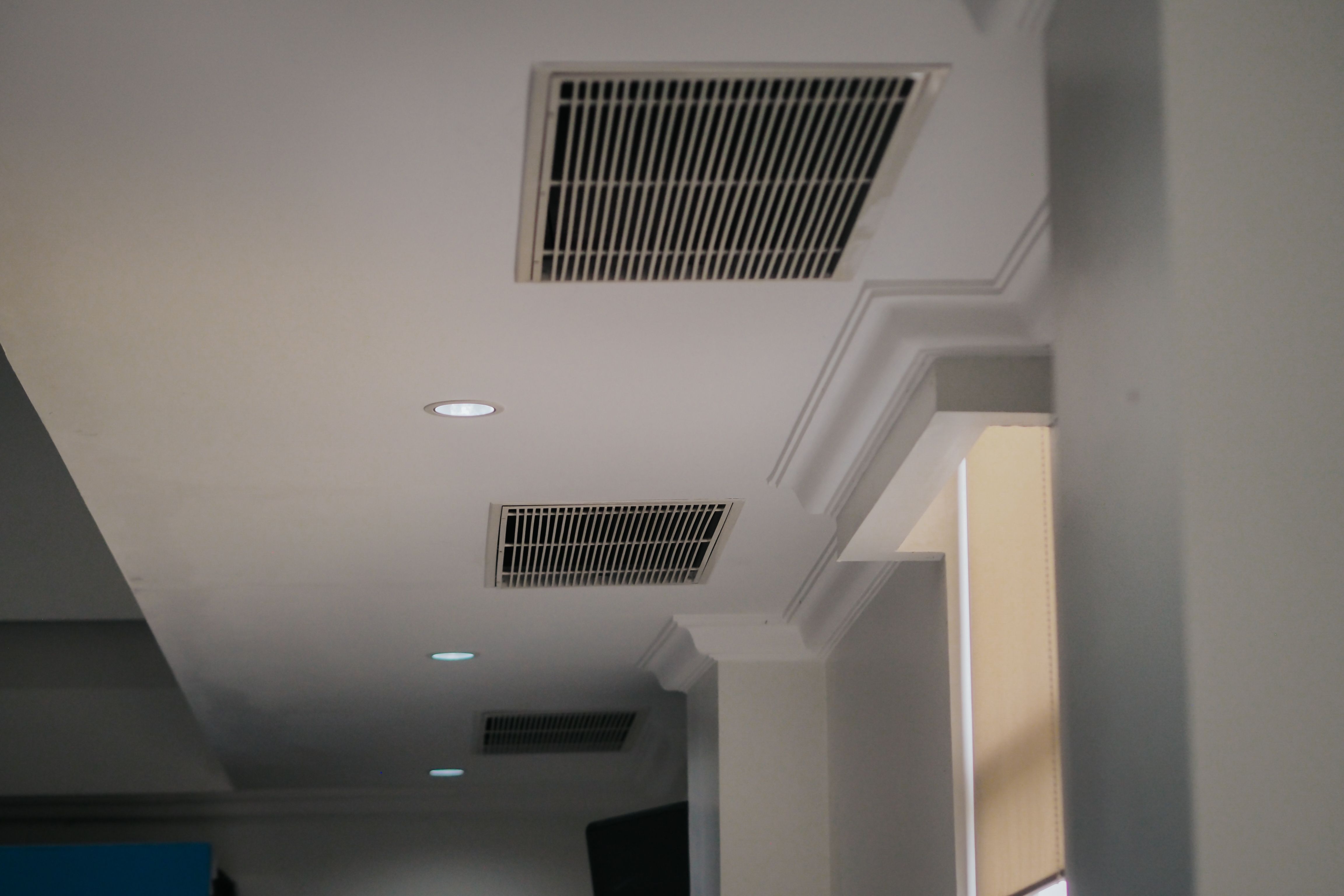
Several factors can impact IAQ, including pollutants like dust, pollen, mold spores, and volatile organic compounds (VOCs). These pollutants can originate from outdoor sources or from within the home itself. Recognizing these factors is the first step toward improving air quality.
Common Sources of Indoor Air Pollution
Indoor air pollution can come from a variety of sources. Common culprits include household cleaning products, tobacco smoke, and building materials. Additionally, inadequate ventilation can exacerbate the buildup of these pollutants, leading to poor air quality.

It's important to identify and control these sources to maintain a healthy indoor environment. Regular cleaning and maintenance can help reduce pollutant levels, but more comprehensive solutions may be necessary for optimal results.
Effective Air Quality Solutions
Ventilation Systems
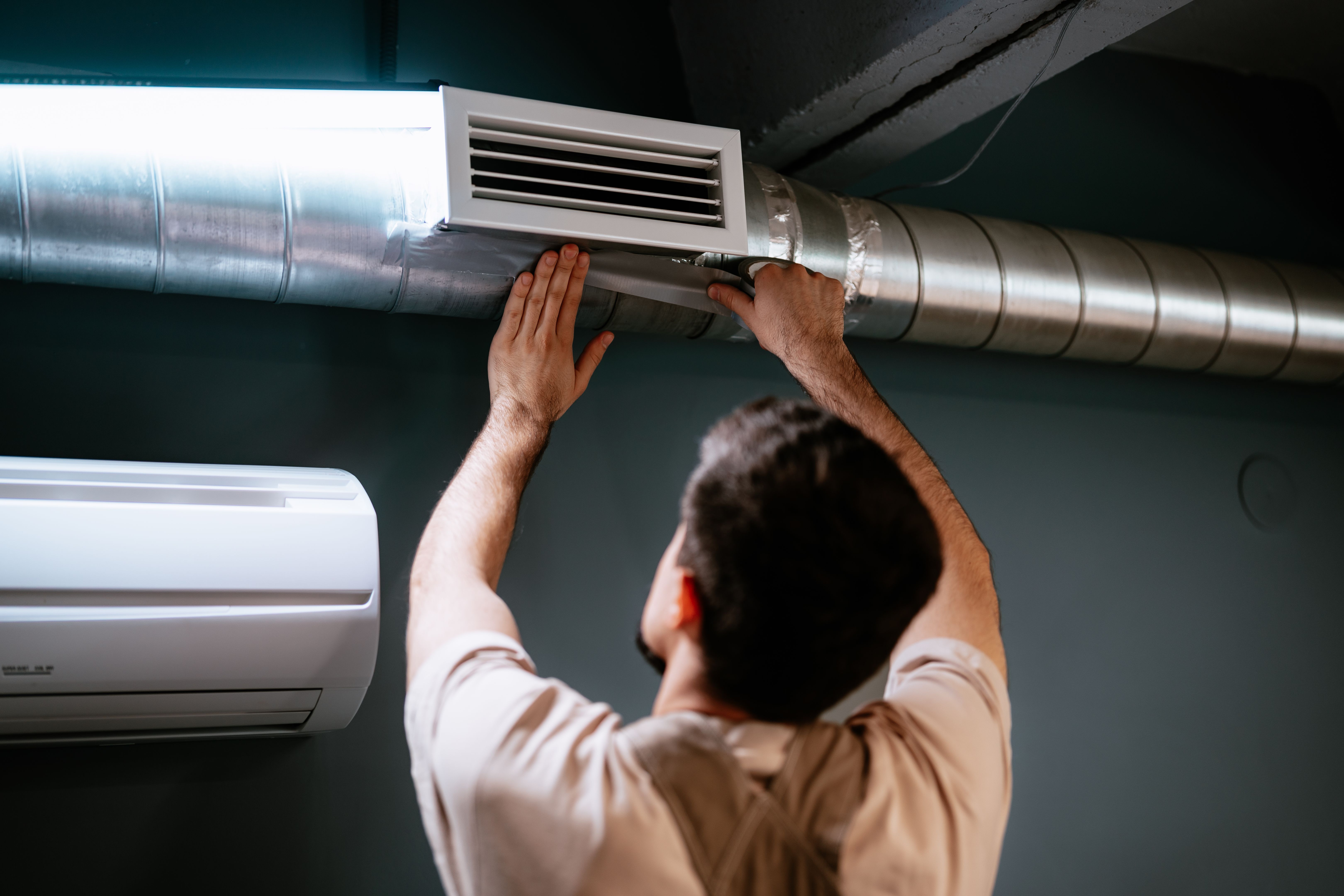
Proper ventilation is key to maintaining good IAQ. Installing a mechanical ventilation system can help circulate fresh air throughout your home, reducing the concentration of indoor pollutants. Consider systems that offer energy recovery to maintain efficiency.
Air Purifiers
Air purifiers are effective tools for removing airborne particles and allergens. High-efficiency particulate air (HEPA) filters are particularly beneficial, capturing up to 99.97% of particles as small as 0.3 microns. It's important to choose a purifier suitable for the size of your space.
Regular Maintenance and Monitoring
Regular maintenance of HVAC systems is crucial for ensuring they function efficiently. Change filters frequently and schedule professional inspections to prevent the buildup of pollutants. Additionally, consider using an air quality monitor to keep track of IAQ levels in real-time.

By staying proactive and addressing air quality issues promptly, you can create a healthier indoor environment for you and your family.
Conclusion
Improving indoor air quality in Texas requires a combination of strategies tailored to your specific needs. By understanding the sources of indoor pollution and implementing effective solutions, you can enhance the health and comfort of your living spaces. Prioritize ventilation, invest in quality air purifiers, and maintain your systems to ensure the best results.