Case Study: Successful Indoor Air Quality Improvement in Travis County


Introduction to the Project
Improving indoor air quality is crucial for ensuring health and well-being, particularly in urban areas. In Travis County, an innovative project was initiated to enhance the air quality in public buildings. This case study explores the successful implementation of this project, focusing on the strategies employed, the challenges faced, and the significant outcomes achieved.
Understanding the Need
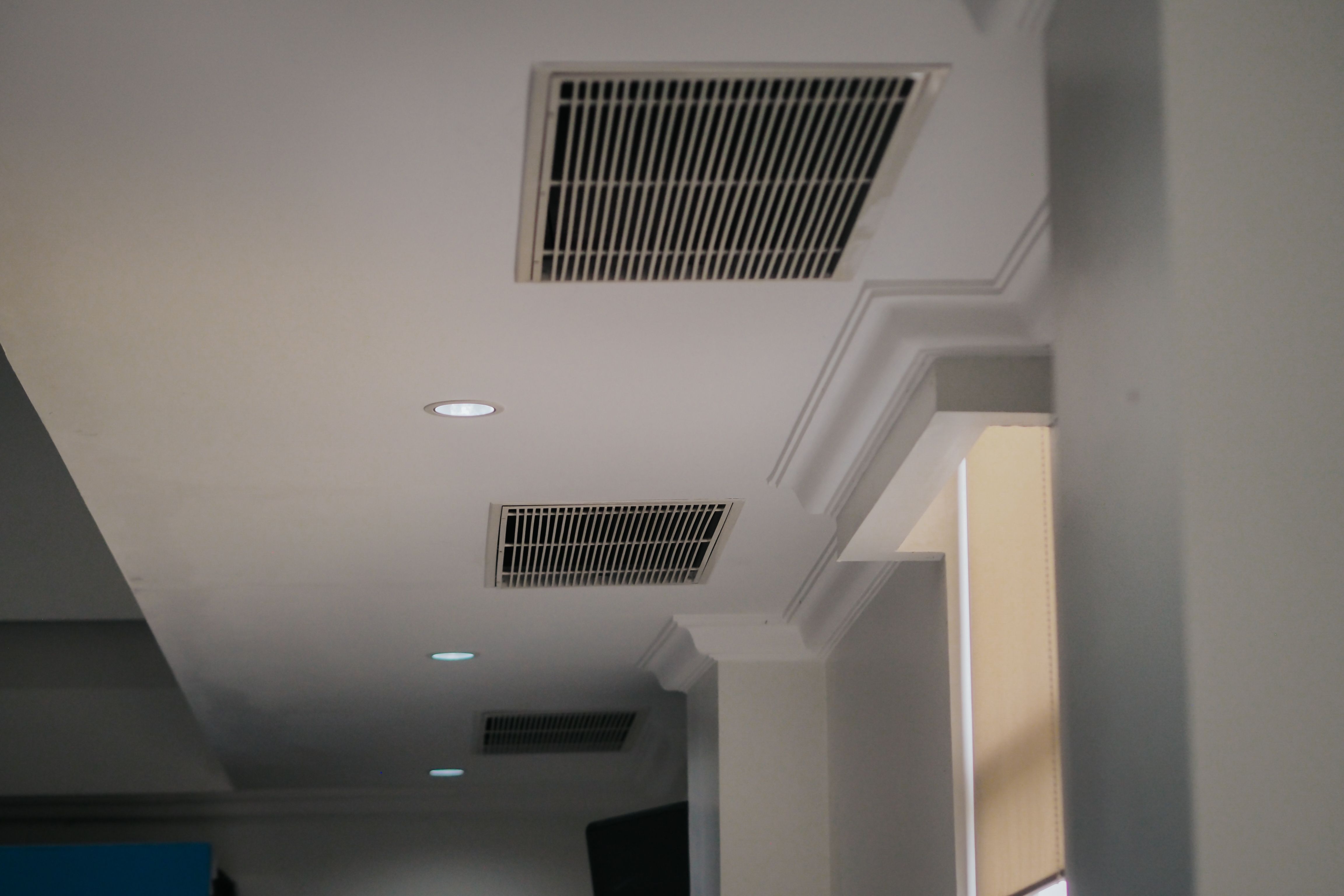
Travis County, known for its bustling urban centers, was experiencing elevated levels of indoor pollutants. Poor air quality was linked to increased respiratory issues among residents. The county recognized the urgent need for a comprehensive solution to tackle this issue, particularly in high-traffic public buildings such as schools and offices.
Identifying Key Pollutants
Before implementing solutions, it was essential to identify the key pollutants affecting indoor air quality. The project team conducted extensive research and testing, revealing that volatile organic compounds (VOCs), mold, and inadequate ventilation were the primary culprits.
Strategic Implementation
Armed with crucial data, the team devised a multi-faceted approach to improve air quality. The strategy included:
- Installing advanced air filtration systems
- Improving ventilation through modern HVAC systems
- Utilizing eco-friendly materials to reduce VOC emissions

Collaborative Efforts
The project was a collaborative effort involving local government, environmental experts, and community stakeholders. Regular workshops and meetings were held to ensure transparency and community involvement, which played a significant role in the project's success.
Overcoming Challenges
Despite the strategic planning, the project faced several challenges. Budget constraints were a significant hurdle, necessitating the team to prioritize interventions and seek additional funding from state and federal resources. Additionally, retrofitting existing buildings with new systems required meticulous planning and execution.
Adaptation and Innovation
To overcome these challenges, the team adapted by using cost-effective technologies and innovative designs that minimized disruption during installation. The use of smart technology also allowed for real-time monitoring of air quality, enabling prompt responses to any issues.
Remarkable Outcomes
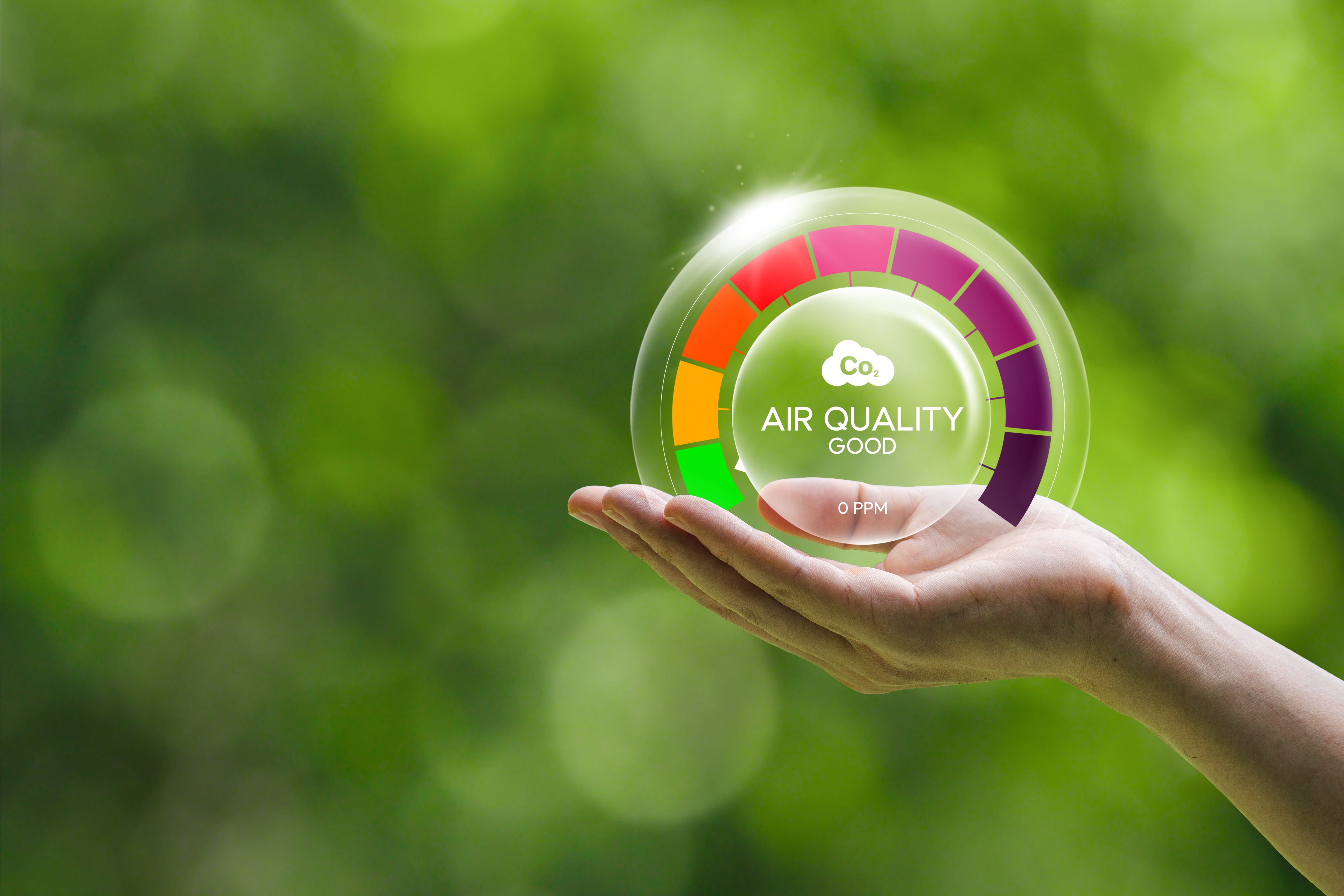
The project yielded remarkable outcomes, with a significant reduction in indoor air pollutants across all targeted buildings. Residents reported improved health and comfort, and the success of the project has set a benchmark for similar initiatives in other urban areas.
Long-term Benefits
Beyond immediate improvements, the project has fostered long-term benefits such as increased awareness about indoor air quality and its impact on health. Educational programs have been implemented to ensure ongoing community engagement and support for maintaining high standards of air quality.
Conclusion
This case study of Travis County demonstrates the effectiveness of strategic planning and collaboration in addressing indoor air quality issues. By prioritizing health and sustainability, the project has not only improved living conditions but also enhanced the community's quality of life. It stands as a testament to what can be achieved when environmental responsibility and innovative thinking converge.