Case Study: Successful HVAC Upgrades in Austin Homes


Introduction to HVAC Upgrades in Austin
In recent years, homeowners in Austin have increasingly turned to advanced HVAC systems to enhance comfort and energy efficiency. This case study explores the successful implementation of HVAC upgrades in various Austin homes, highlighting the benefits and outcomes of these improvements.
With the city's hot summers and unpredictable weather patterns, efficient HVAC systems are crucial. Many residents have embraced technological advancements to ensure their homes remain comfortable year-round.
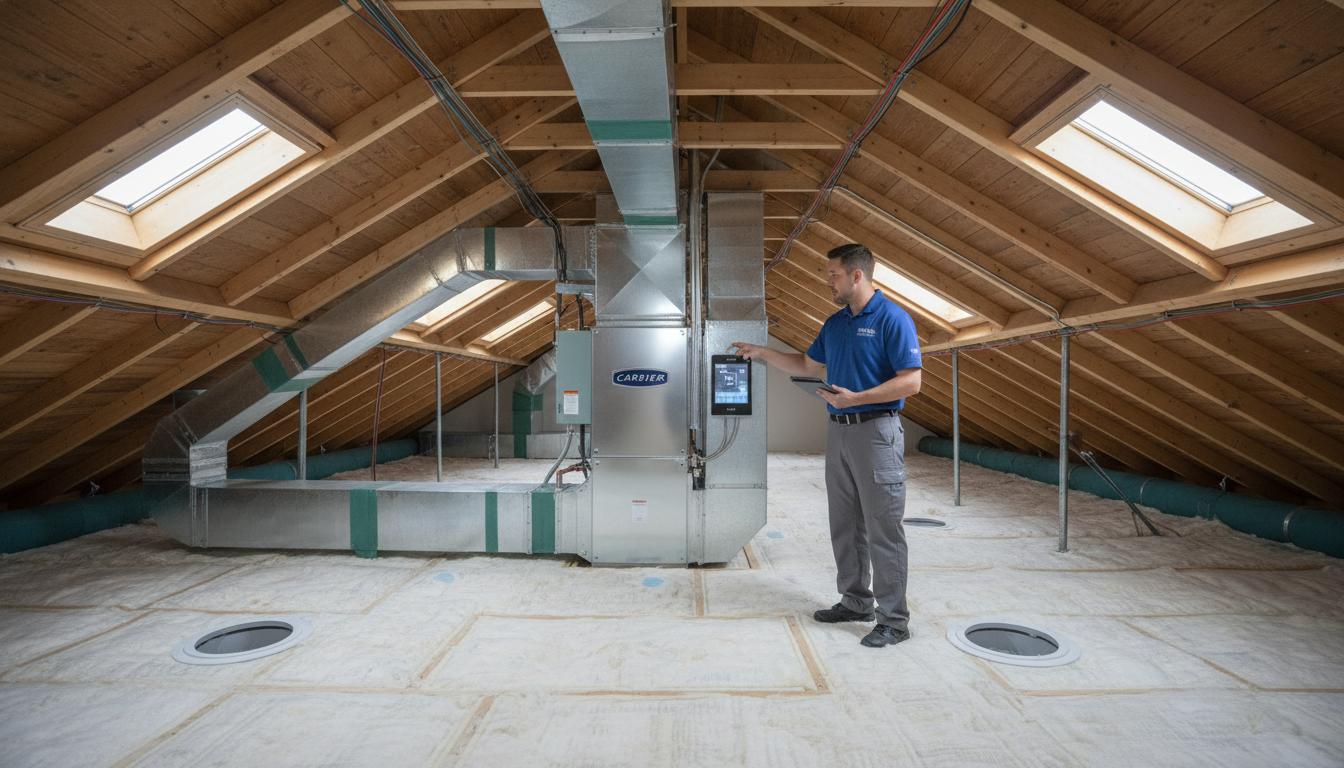
Identifying the Need for Upgrades
Several factors prompted Austin homeowners to consider HVAC upgrades. Key among them were rising energy bills, inconsistent indoor temperatures, and frequent system breakdowns. These issues not only affected comfort but also increased maintenance costs.
Homeowners recognized that outdated systems were not designed to handle the demands of modern-day living. As a result, exploring energy-efficient solutions became a priority.
Energy Efficiency and Cost Savings
One of the primary motivations for upgrading HVAC systems was the potential for energy savings. Newer systems are designed to consume less energy, leading to significant reductions in utility bills. For instance, many Austin homeowners reported up to a 30% decrease in their energy costs after upgrading.

Implementation of Advanced Solutions
The adoption of smart thermostats and zoning systems played a crucial role in the successful HVAC upgrades. These technologies allowed homeowners to tailor their heating and cooling needs to specific areas of their homes, enhancing comfort and efficiency.
Furthermore, the integration of eco-friendly refrigerants and advanced filtration systems contributed to improved indoor air quality, benefiting the health of residents.
Case Study: A Local Success Story
One notable success story involved a family in South Austin who upgraded their 15-year-old HVAC system. By installing a high-efficiency unit with a smart thermostat, they achieved a comfortable living environment and reduced their carbon footprint.

Long-term Benefits and Community Impact
Beyond immediate comfort and cost savings, the HVAC upgrades had long-term benefits. Homes with modern systems saw increased property values, making them more attractive to potential buyers. This trend encouraged more homeowners to consider similar upgrades.
The positive impact on the community was evident as more residents embraced energy efficiency, contributing to Austin's sustainability goals. This collective effort has positioned the city as a leader in environmental responsibility.
Conclusion
The successful HVAC upgrades in Austin homes demonstrate the advantages of embracing modern technology. These improvements not only enhance comfort and reduce costs but also contribute to a more sustainable future. As more homeowners follow suit, Austin continues to set an example for cities nationwide.